The historic weather phenomenon known as “super El Niño,” expected to peak between November 2026 and January 2027, threatens to rapidly deteriorate food security in Honduras, Guatemala and El Salvador, according to the Humanitarian Organization International Rescue Committee, IRC.
Disruptions to shipping caused by conflict are causing prices for food, fuel and fertilizer to rise, he added.
He IRC warned that the “shortage of rain” could cause droughts and put 700,000 people in El Salvador in immediate need of emergency aid.
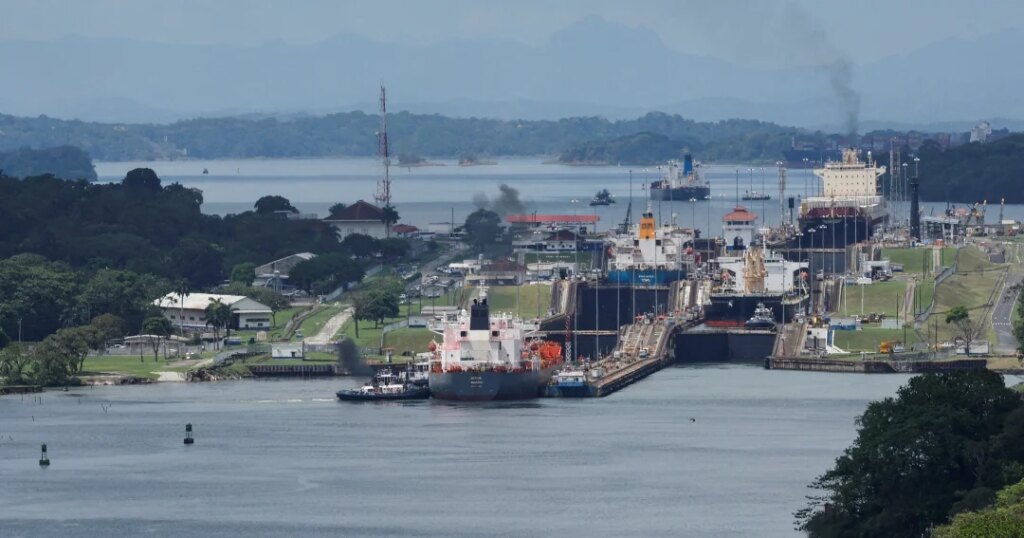
In Panama, JP Morgan El Niño is expected to force the imposition of new restrictions on maritime traffic through the Panama Canal during the fourth quarter of the year, and the Canal Authority foresees a 5% decrease in transits in 2027.
The El Niño weather phenomenon consists of a periodic warming of sea surface temperatures in the eastern Pacific, caused by the weakening of the trade winds. It occurs every two to seven years, typically lasts up to 12 months, and can affect rainfall and temperature patterns in all regions.
The drought caused by El Niño has devastated corn and bean crops across Central America’s Dry Corridor, plunging tens of thousands of rural households into greater food and water insecurity, he said. Oxfam.