Chevron Corp. plans to buy some of the first shipments of crude oil from Sable Offshore Corp.’s platforms off the coast of Santa Barbara, weeks after the Trump administration gave the green light to restart production.
Chevron’s intention to initially purchase 20,000 barrels of oil per day represents a new boost for Sable, which has faced strong environmental opposition in its attempt to reactivate its operations in Californian waters. Sable’s plans have also become politicized in the debate over how to address rapidly rising fuel prices in the state.
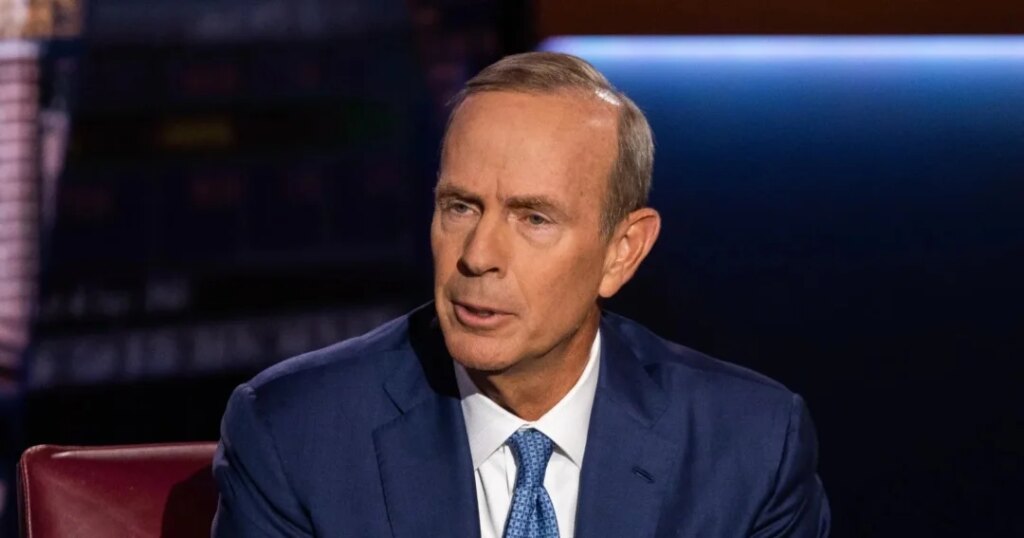
“We are going to process Sable crude at El Segundo in April,” Andy Walz, president of Chevron’s refining, transportation and chemicals divisions, said in an interview Tuesday. referring to the company’s fuel production plant in Los Angeles, which can process 269,000 barrels of oil a day.
Sable shares rose up to 10% after news of Chevron’s plans to buy the company’s crude oil.
Earlier this month, in compliance with an executive order from President Donald Trump, Secretary of Energy Chris Wright ordered the company Sable, based in Houston, to restart a pipeline system that transports oil from a set of offshore platforms to dry land.
“We think the opportunity that Sable offers is a positive for the United States,” Walz said on the sidelines of the CERAWeek by S&P Global conference in Houston.
“We are taking American crude oil, transporting it on American pipelines, operating an American refinery and selling those products to American motorists, and it’s going to be cheaper than importing it,” he said.
The Sable project could quickly begin pumping between 45,000 and 55,000 barrels a day of crude oil once it is reactivated. This pales in comparison to daily U.S. oil demand of more than 20 million barrels, but it represents a significant amount of oil for California.
The state that has experienced a multi-decade decline in national oil production, going from more than 1 million barrels per day in the 1980s to just under 250,000 in 2025.