The pollution for plasticsin particular for microplasticsworsens under the effects of climate changeaccording to a group of researchers from Imperial College London in a study recently published in Frontiers in Science.
The team, led by the professor Frank Kellywarns about the accelerated increase in plastic production and the intensification of its environmental impacts, and calls for urgent international action to avoid irreversible ecological damage.
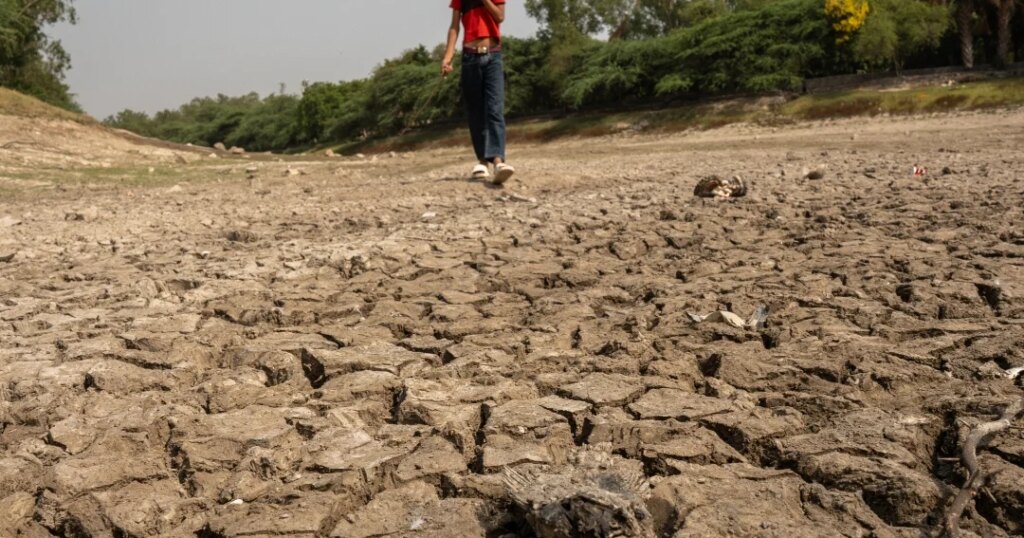
The report of Frontiers in Science highlights that Climate change makes plastics more mobile, persistent and dangerous pollutants. Global warming accelerates the fragmentation of plastics into microplastics—microscopic fragments—, facilitates their dispersion over long distances, and multiplies the exposure of ecosystems to this waste.
Between 1950 and 2023, the annual production of plastics worldwide multiplied by 200, a trend that, together with the worsening of climate effects, threatens to increase the presence of microplastics in all natural environments.
Researchers from Imperial College London, cited by Frontiers in Scienceinsist on the need to eliminate non-essential single-use plastics – which represent 35% of total production –, limit the manufacture of virgin plastics and establish international standards that guarantee the reuse and recycling of these materials.
“Plastic pollution and climate are co-crises that intensify each other. They also share origins and solutions”said Professor Kelly, who underlined the urgency of a coordinated international response to curb the accumulation of end-of-life plastics in the environment.
The study details the mechanisms by which climate change intensifies plastic pollution. Increased temperatures, humidity and ultraviolet radiation accelerate the decomposition of plastics. In addition, extreme phenomena such as storms, floods and intense winds increase the fragmentation and dispersion of plastic waste—which already totals six billion tons and continues to increase—to landfills, aquatic and terrestrial ecosystems, the atmosphere and food chains.
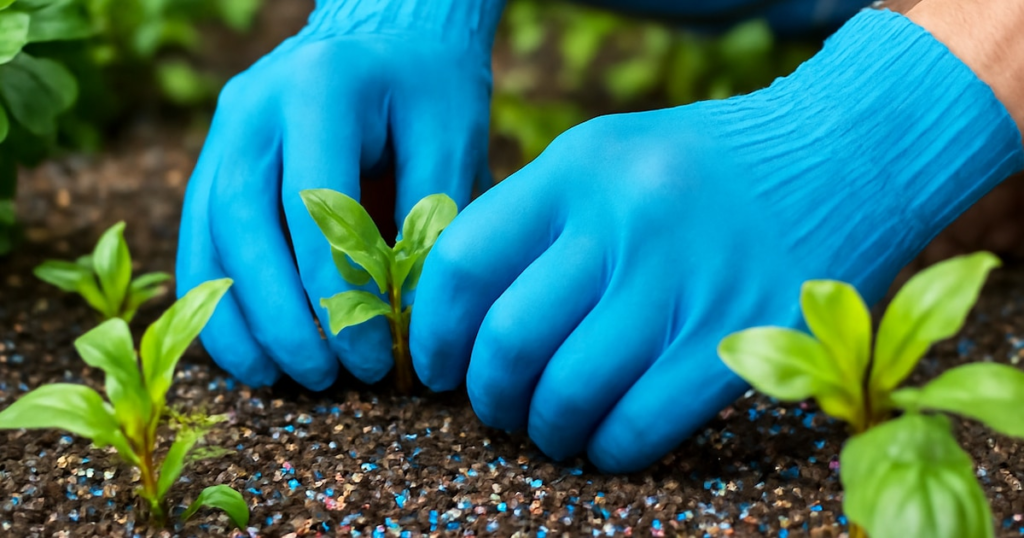
The Persistence and accumulation of microplastics raises concern for their ability to alter nutrient cycles in aquatic ecosystems, reduce soil health and agricultural yields, and negatively affect the feeding, reproduction, and behavior of organisms that ingest them, especially when levels exceed safe thresholds.
Microplastics can also act as vectors for other pollutants, such as metals, pesticides and persistent chemicals, the transfer and release of which is favored by climatic conditions. The melting of the Arctic, for example, could release microplastics accumulated in sea ice, becoming an additional source of pollution.
The doctor Stephanie Wrightco-author of the study, warns that “there is a possibility that microplastics—already present in all corners of the planet—have a growing impact on certain species over time. Both the climate crisis and plastic pollution, derived from social dependence on fossil fuels, could combine to aggravate an already stressed environment in the near future.”
The combined impact of both factors is especially evident in marine organisms. Research on corals, sea snails, urchins, mussels and fish shows that Microplastics reduce the ability of these species to withstand rising temperatures and ocean acidification.
Filter-feeding mussels, for example, concentrate microplastics that they then transfer to their predators, elevating the presence of these contaminants to higher levels of the food chain. Species located at these levels, already vulnerable to other stress factors, may see their situation aggravated by the presence of plastics.
A recent study cited by Frontiers in Science revealed that Microplastic-induced mortality in fish quadrupled with rising water temperatures, while ocean hypoxia, also driven by warming, doubled microplastic intake in cod..
The teacher Guy Woodwardco-author of the report, notes that “apex predators like killer whales could be the canaries in the mine, as they may be especially vulnerable to the combined impact of climate change and plastic pollution.” The possible loss of key species, which structure the functioning of ecosystems, would have far-reaching consequences. In terrestrial ecosystems, the effects of microplastics are even more complex and difficult to predict.
Given the evidence of the increase, dispersion and damage caused by microplastics, the authors of Frontiers in Science They insist on the urgency of rethinking the use of plastics. The doctor Julia Fussel maintains that “a circular economy of plastics is the ideal. It must go beyond reduce, reuse and recycle, to include redesign, rethink, reject, eliminate, innovate and circulate, moving away from the current linear model of take, make and throw away.”
The study proposes that the integration of the interactive effects of plastic pollution and climate factors allows guiding and prioritizing research, surveillance and public policies..
Kelly adds that “solutions require systemic change: reducing plastic production at source, coordinated global policies such as the UN Global Plastics Treaty, and responsible, evidence-based innovation in materials and waste management.”
The team of Frontiers in Science concludes that, Although the future will not be free of plastics, it is possible to limit microplastic pollution if we act immediately, as plastic waste discarded today threatens to cause global-scale alterations in ecosystems in the coming decades..