The plague It is one of the most feared diseases in history, responsible for pandemics that killed tens of millions of people. Today, human cases are rare and can usually be treated with antibiotics.
A suspected case of pneumonic plague in Siberia has revived interest in the disease after a young worker at a Russian institute that studies plague and other dangerous infections died from severe pneumonia.
The Russian authorities informed the World Health Organization that no case of plague has been recorded in the region. However, the circumstances of the woman’s death and the precautions taken subsequently have drawn international scrutiny, and the WHO has requested more information from Russia.
What happened in Siberia?
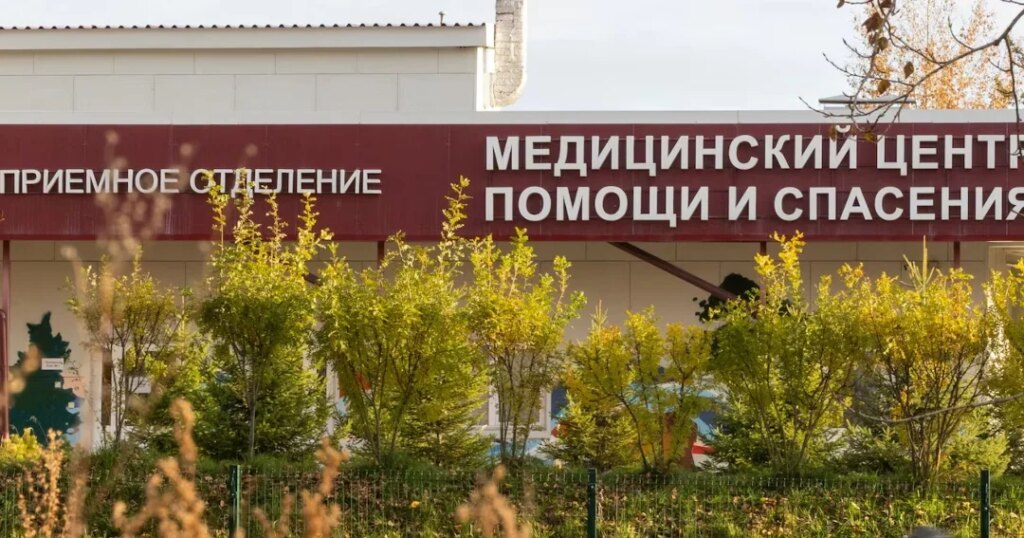
A 28-year-old laboratory worker at the Irkutsk Plague Research Institute in Siberia and the Far East died during the night of October 1-2 after developing severe pneumonia.
Some local Russian media reported that she may have been exposed to the plague-causing bacteria after breaking a test tube at the institute. This information has not been verified. The institute itself told the state newspaper Rossiyskaya Gazeta that no such incident had occurred.
Media reports have raised questions about how possible exposure to the plague could have occurred. The work with pathogens Hazardous hazards typically involve multiple protective measures designed to prevent a spill or container breakage from exposing laboratory personnel.
What have the Russian authorities said?
The Russian public health agency, Rospotrebnadzorstated that the investigation did not find any laboratory accidents with dangerous microorganisms. Likewise, he indicated that the exhaustive tests carried out on the woman’s samples did not detect microorganisms related to her work. The official cause of his illness remains pneumonia of unknown origin. No cases of plague have been confirmed among his contacts, and Russian authorities say the epidemiological situation is stable.
These official statements came after the director of Rospotrebnadzor, Anna Popovawill travel to Irkutsk and participate in an emergency meeting of the regional health and anti-epidemic commission on October 2.
Are there any restrictions?
Local media cited unverified reports indicating that nearly 200 people who may have had contact with the woman were under medical observation and that the hospital where the deceased laboratory worker was treated had been placed on lockdown. quarantine. It was also reported that restrictions had been imposed on medical facilities across the region.
Local authorities and Rospotrebnadzor They denied that such measures had been taken. However, others in the area took some precautions. The Irkutsk aluminum smelter, a unit of United Co. Rusal International Pjsc and one of the largest employers in the region, implemented the mandatory use of masks, indicated that workers should seek medical attention if they had any symptoms and advised them to rely on official information, according to a publication in Telegram of the foundry’s executive director, Artyom Fominykh.
What has been the international response?
The European Commission is closely monitoring the situation, according to the spokesperson Eva Hrncirova. The secretary of State United States, Marco Rubiotold the press that, given the limited information we have, it would be reckless to speculate on what it may or may not be at this time, and urged Russia to share more details.
The WHO He claims that the Russian authorities informed him that no case of plague had been recorded in the region and that the identified contacts were tested and placed under medical observation, a process that has now been completed. Russia reported that no high-risk pathogens were detected among them.
The general director of the WHO, Tedros Adhanom Ghebreyesusstated that the agency has requested more information from Moscow to clarify the cause of the woman’s severe pneumonia, the pathogen that motivated the public health measures and reports that a second employee of the institute has developed pneumonia. He added that a timely and transparent exchange of information is necessary to assess the potential risk to public health.
What exactly is the plague?
Plague is a bacterial infection caused by bacteria Yersinia pestiswhich normally circulates among rodents and other small mammals, as well as among the fleas that live on them.
People usually become infected after the bite of an infected flea or through contact with an infected animal. The bacteria can also be inhaled, and people with pneumonic plague can spread the infection to others through respiratory particles.
There are three main forms of plague, all caused by the same bacteria, but mainly affecting different parts of the body.
Bubonic plague, the most common form, usually causes fever, chills, and painful swelling of the lymph nodes, known as buboes. It is the form most associated with the Black Death of the Middle Ages.
Septicemic plague occurs when bacteria multiply in the bloodstream. It can cause bleeding, tissue damage, organ failure, and shock.
Pneumonic plague occurs when bacteria infect the lungs. It can develop when another form of plague spreads to the lungs or when a person inhales the bacteria directly. Symptoms can appear quickly and include fever, weakness, chest pain, shortness of breath, and cough, sometimes with bloody sputum.
Does the plague still exist today?
Yes. The bacteria persists in wild animal populations in some parts of Africa, Asia and the Americas, meaning the plague cannot realistically be eradicated.
The WHO recorded 3,847 suspected human cases and 423 deaths in 10 countries between 2019 and 2025. The majority occurred in the Democratic Republic of the Congo and Madagascar.
Cases also occasionally occur in richer countries. In the United States, several infections are recorded each year, mainly in western states, where the bacteria circulates naturally among wild rodents and their fleas.
How dangerous is pneumonic plague?
Thanks to antibiotics, modern sanitation and epidemiological surveillance, the plague no longer represents the threat it did centuries ago. Even so, it is still very dangerous if not detected and treated quickly.
Pneumonic plague is the most rapidly progressing form of the disease. Symptoms may appear one to three days after exposure. Without effective antibiotics, the infection can be fatal about a day after severe symptoms develop.
Therefore, early treatment is essential. The WHO states that common antibiotics are effective against Yersinia pestis and that the chances of recovery are high when pneumonic plague is detected and treated promptly. People who are known to have been exposed may also be given antibiotics before they become ill.
The short incubation period also means that infections usually manifest relatively quickly. Several days after the death of the Russian worker, it had not yet been confirmed that she suffered from the plague. The Russian authorities informed the WHO that medical observation of all identified contacts had been completed and that no high-risk pathogens had been detected among them.
How easily does pneumonic plague spread?
Pneumonic plague is the only major form of plague that can be transmitted directly between people.
An infected person can release bacteria in respiratory particles when coughing. Transmission usually requires close contact with someone who is sick, especially when the patient coughs. Unlike COVID-19 or the flu, plague is not characterized by sustained transmission in communities by people with mild or asymptomatic symptoms.
People with pneumonic plague often become seriously ill within a short time, helping health authorities identify cases and trace their contacts. However, because the disease progresses rapidly and spreads between people, even a single suspected case requires an urgent public health response.
When pneumonic plague is suspected, health authorities usually act before waiting for laboratory confirmation. The WHO recommends starting treatment with appropriate antibiotics, as well as identifying and monitoring close contacts and generally giving them preventive antibiotics for seven days.
Why does Russia have an “anti-plague” institute?
Plague institutes have a long history in Russia and other parts of the former Soviet Union.
Plague occurs naturally in wild rodents in some areas of Central and Northern Asia, including Siberia, Mongolia and northern China. Russia has long had a network of specialized laboratories and surveillance stations to detect plague in animals, investigate infections in humans and prevent outbreaks.
The institute of Irkutsk It was founded in 1934 specifically to combat the plague in Siberia and the Russian Far East. Their responsibilities were later expanded to other dangerous infections, such as cholera, anthrax, and brucellosis, as well as other diseases that can be transmitted from animals to people.
Today, the institute says it monitors areas where plague circulates naturally in Siberia and the Far East, carries out epidemiological surveillance and diagnostic testing, advises regional health authorities and helps respond to outbreaks of dangerous infections.
Until the collapse of the Soviet Union in 1991, it also operated a secret biological weapons program that included research on Yersinia pestis. This background has contributed to international scrutiny of the Siberian incident, although there is no public evidence linking the death of the Irkutsk with no research on biological weapons.