The European Union has proposed cuts to the bloc’s multi-year budget compared to previous versions, in an effort to reach an agreement on the package before the end of the year.
The proposal calls for a spending reduction of 204 billion euros ($224 billion) from the original budget plan, in a gesture to Germany, Austria, Sweden, Finland, the Netherlands and Denmark, known as the frugal countries, which have called for a more austere budget.
Germany cautiously welcomed the proposal, although it noted that spending remains excessive, while France said the budget was insufficient by not guaranteeing economic support for farmers. According to an official in the French president’s office Emmanuel Macronthe budget plan does not constitute, at the moment, the basis for an agreement.
The plan would also impose a 3% tax on large companies providing digital services, replacing the commission’s initial proposal for a flat-rate annual corporate tax, which was not supported by most countries. For this to happen, EU countries would need to finalize the 2018 Digital Tax Bill, which has long been stalled due to pressure from the United States and reluctance from EU countries like Ireland, which are home to digital giants.
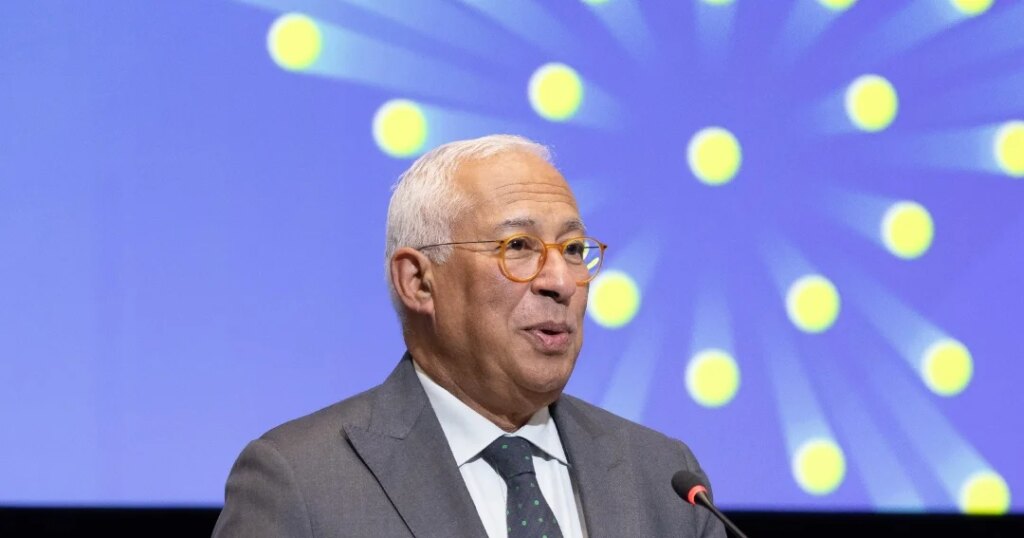
The long-term budget, which will govern EU spending between 2028 and 2034, technically must be finalized before the end of 2027. However, the president of the European Council, Antonio Costaprefers to reach an agreement before the end of this year, ahead of a series of crucial elections in the bloc, including those in France and Poland, which could influence budget negotiations.
“This budget fits our ambitions,” he declared. Coast at a press conference in Brussels. “This proposal is ideal to face the challenges we face in our societies.”
The German Chancellor Friedrich Merz He stated that the proposal “is a first step, but its magnitude is still too high.” In a statement issued on Saturday, Merz stated that “a fair and equitable burden-sharing agreement can only be achieved through adjustments to the source of income.”
The European Commissionthe EU’s executive body, initially proposed a 2 trillion euro ($2.2 trillion) budget, with billions earmarked for defense and competitiveness, in addition to traditional spending on agricultural subsidies and development funds. He also proposed €60 billion in new annual taxes on a portion of each country’s tobacco revenue, a flat-rate corporate tax on large companies and a levy on discarded and uncollected electronic devices, among other measures.
Saturday’s proposal is Brussels’ latest attempt to reach a deal after the previous effort by Ireland, which currently holds the rotating EU presidency, was criticized by frugal countries for being still too ambitious, and by others for being too modest.
Both the size of the budget and its priorities have been the subject of controversy. Some countries, especially those in the east of the bloc, are calling for greater defense spending, while others prefer to maintain the bloc’s traditional spending priorities.
More recently, the German chancellor Friedrich Merz linked development funds to countries’ support for Ukraine. The majority of the EU budget is financed by contributions from member states, with “net contributor” Germany providing most of the money.
EU leaders will discuss the budget at a two-day summit starting Thursday in Brussels.