Treasuries fell for a fourth day as U.S. economic data failed to allay concerns that Rising crude oil prices will fuel inflation.
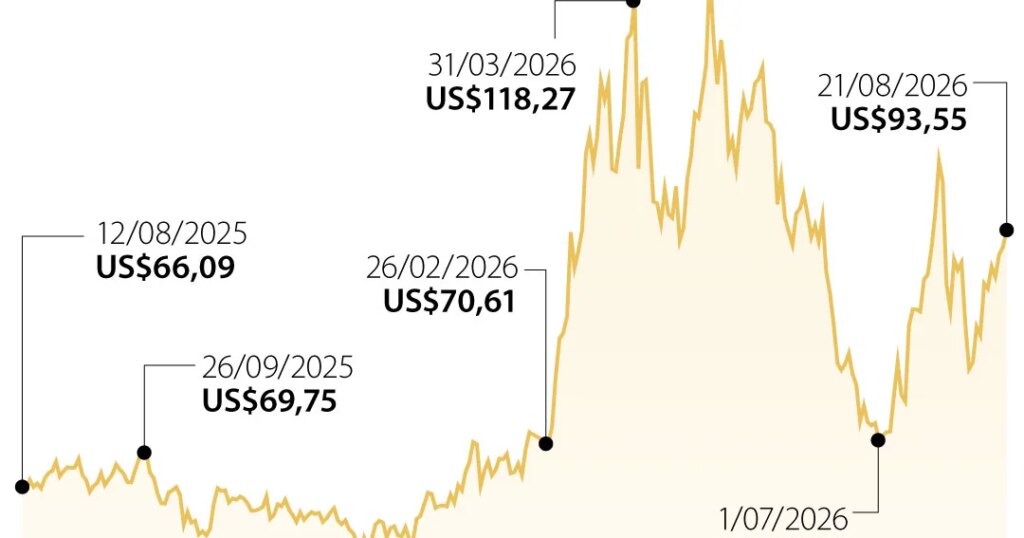
The Yields of different maturities increased between two and five basis points, and those of five to 30 years reached weekly highs. Yields had risen ahead of the data, as the benchmark U.S. crude oil futures contract surpassed $78 a barrel for the first time since June. This week, it has risen from below $70 following the US attack on Iran on February 28.
US government bond yields remained elevated after the US government’s weekly count of new jobless claims came in slightly lower than economists estimated. While the release of February jobs data on Friday is expected to show a slowdown in job growth, the sign of labor market strength calls into question bets on Federal Reserve interest rate cuts benefiting bonds.
“Higher oil prices, especially over a longer period, will put upward pressure on nominal yields,” said Kenneth Crompton, senior fixed income strategist at National Australia Bank Ltd. “And, in our view, Treasury yields were too low to begin with before the start of hostilities.”
Two-year bonds, more tied to Fed interest rate fluctuations than longer-term bonds, rose almost five basis points to 3.59%. The 10-year bond yield stood at around 4.14%, its highest level since Feb. 12, and was on track for its biggest weekly rise since April.
Adding to the upward pressure on Treasury yields, sales of new corporate bonds were expected to be strong again on Thursday. Wednesday’s $17.7 billion collection began to slow the backlog accumulated over the previous two days, as the start of hostilities in the Middle East eroded risk appetite.
Benchmark oil prices extended their weekly rise following reports that China ordered its major refiners to suspend diesel and gasoline exports due to the escalating conflict in the Persian Gulf. Brent crude rose to $85 a barrel, extending this week’s gain to more than 15%.
The Traders have lowered their expectations for interest rate cuts from the Federal Reserve as inflation expectations rise. Swaps markets are currently forecasting rate cuts of about 35 basis points by the end of the year, compared to 60 basis points at the end of last week.