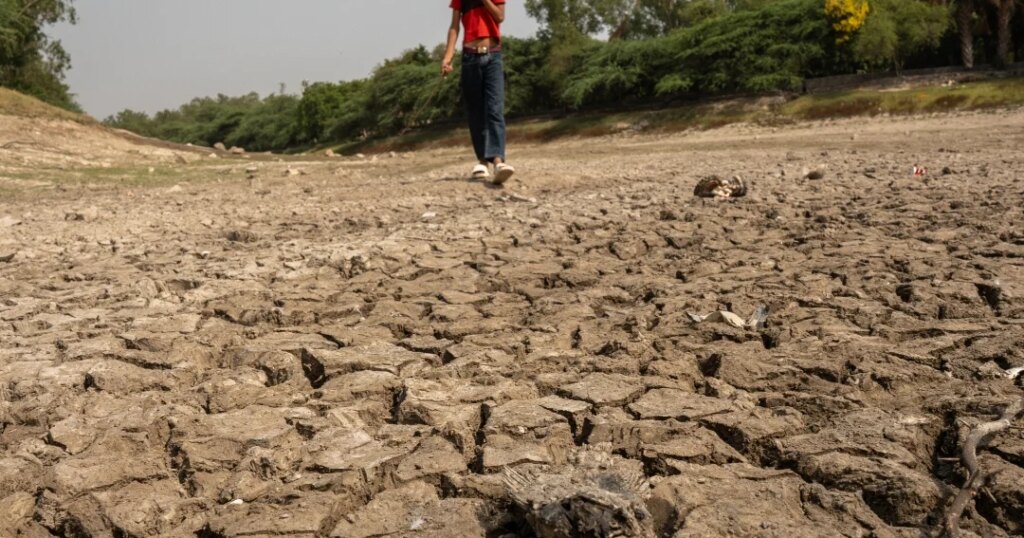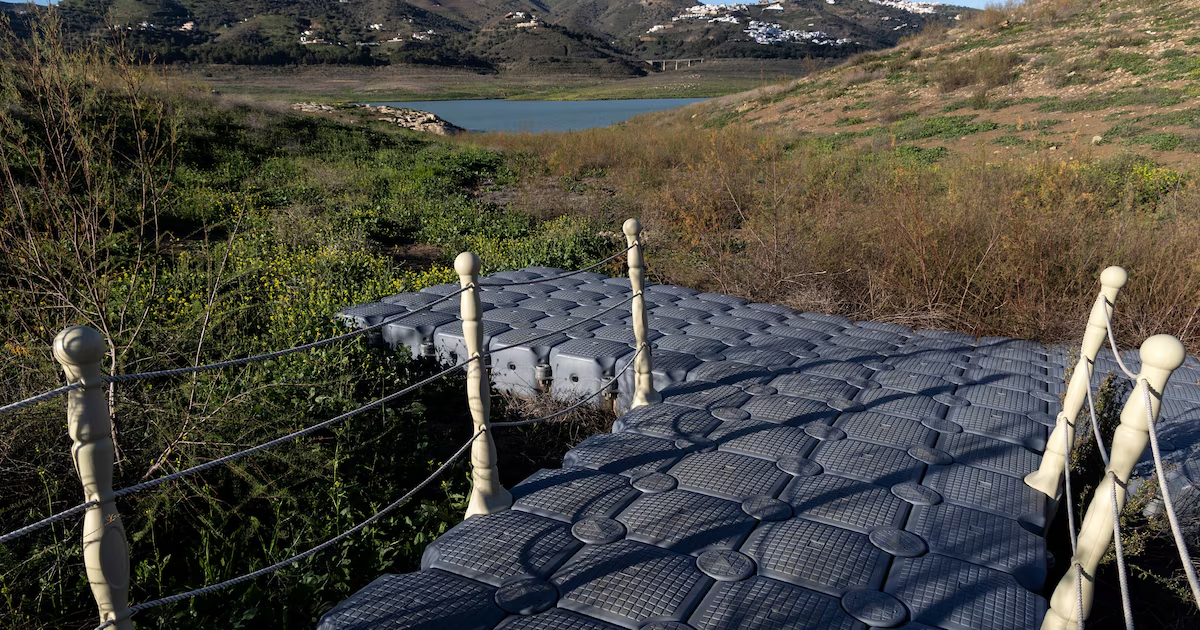
Of the 56,043 hm3 of capacity that the water reservoirs in Spaincurrently the 83.14% is fullaccording to the most recent update of the Peninsular Hydrological Bulletin released by the Ministry for the Ecological Transition and the Democratic Challenge (Miteco) this Saturday June 6.
According to this official information, water storage in the country decreased in the last seven days.
Being updated on the capacity of reservoirs in Spain has become a key issue for understanding the administration of water resources in the country.
Date: Saturday June 6, 2026.
Ability: 56,043 hm3.
Total impounded water: 46,593 hm3.
Percentage of impounded water: 83.14%.
Variation from a week ago: -490 hm3.
Weekly percentage change: -0.87%.
Reservoired water recorded one year ago: 43,038 hm3.
Percentage of water impounded a year ago: 76.79%.
Andalusia: 85.76%.
Aragon: 85.97%.
Asturias: 87.72%.
Valencian C.: 58.38%.
Cantabria P. Vasco La Rioja: 91.31%.
Castile-La Mancha: 70.21%.
Catalonia: 92.62%.
Community of Castilla y León: 88.57%.
Estremadura: 83.62%.
Galicia: 83.82%.
Murcia: 34.46%.
Navarre: 88.13%.
Regardless of the situation in the reservoirs in Spain, you must always be responsible with their use. For this reason, Miteco published a series of recommendations to save water from homes, specifically from the kitchen.
When washing the dishes, you can use a small basin of water to soap the dishes and another for rinsing, thus water consumption is substantially reduced.
On the other hand, if you are going to buy a dishwasher, it is recommended that it be low consumption. Currently, models with capacity for 12-13 services have water consumption ranging from 6.5 to 18 liters per wash, ideally their consumption per wash is less than 10 liters.
Additionally, some dishwashers have low-consumption programs that barely use half as much water as others. Consult the instruction manual and look at the water and energy consumption of each program.
In dishwashers, the so-called “fast” program usually provides very substantial water savings, since it eliminates some prewash and rinse phases.
Detergent can also make a difference when it comes to saving water. There are several that have phosphates that contribute to the proliferation of algae in rivers and reservoirs, depriving aquatic fauna of oxygen. There are phosphate-free laundry detergents and dish soaps on the market. Choose them.
Do not throw used oil down the sink, save it in a small container. When it is full, you can use it to make soap or take it to the clean point.
If you like cold water, don’t let the tap run: put a bottle of water in the refrigerator.