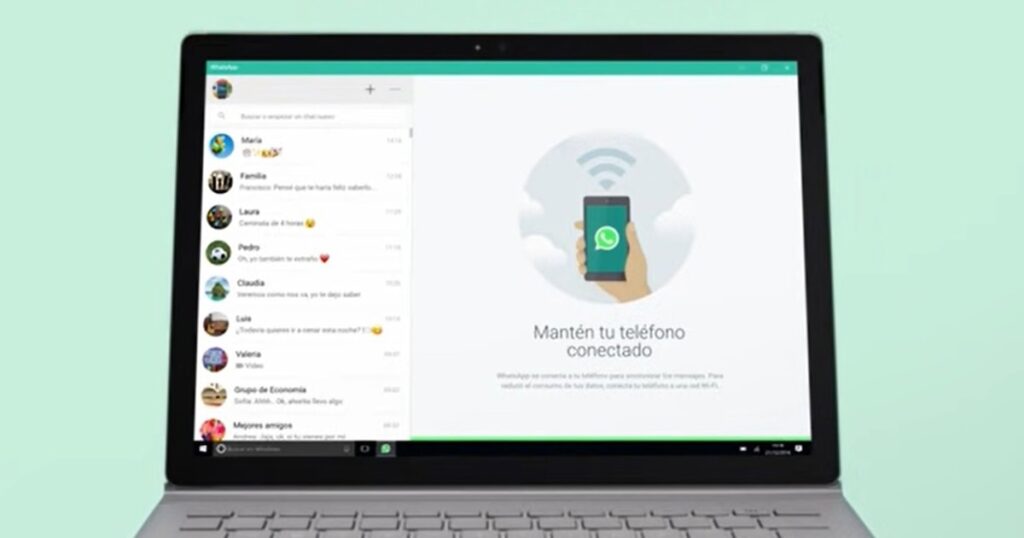
The WhatsApp application for Windows 11 abandons its native application and returns to a web model, which has caused a sharp increase in RAM memory consumption and lower performance compared to previous versions.
The decision became effective with update 2.2584.3.0, which replaces the app based on Windows graphics libraries with a version that operates on WebView2the Microsoft component that allows you to run web content within desktop applications. The change has generated a wave of criticism among users due to the immediate impact on the fluidity of the system and the resources that the platform now requires.
Initial reports indicate that the transition implies a considerable increase in RAM memory. Before the update, the app consumed just a few megabytes at startup and maintained relatively stable usage during daily activity.
With the arrival of the new approach, the client now behaves like an independent browser running WhatsApp Webwhich multiplies resource consumption by several factors. Users and specialists agree that this turn represents a setback with respect to the progress achieved during the last three years of development.
The architecture change has also generated negative effects on overall performance. Accessing conversations, scrolling through the interface or viewing attachments has become slower. Animations have higher latency and loading elements feels less fluid.
Added to this are reports about notifications that do not arrive on time or do not appear at all, synchronization problems between devices and failures to integrate with operating system functions, such as concentration or silence modes.
The decision to abandon the native application has raised questions about the reasons that led the company to take this turn. Recent reports point to an internal reorganization as a possible explanation.
Changes in work structure and Staff cuts would have affected the team in charge of the Windows versionwhich would have led to the choice of a simpler and more unified development base. By relying on the same core as WhatsApp Web, maintenance becomes less expensive and more agile for the company, although at the cost of sacrificing part of the user experience.
What is striking is that this movement occurs in parallel to a drive to strengthen the presence in other systems. While the Windows version moves back toward a more basic model, the company recently launched a completely native app for smartwatches, a platform with a much smaller user base. For some analysts, this disparity shows the intention to prioritize devices where the brand wants to grow, even if this means compromising the performance of the application in massive environments.
In this scenario, those who have not yet installed the update have a limited margin to keep the previous version. The system app store could allow you to keep it temporarilybut it is expected that active sessions will end up being force closed to force the migration. This means that sooner or later all users will have to adopt the new WebView2-based version, regardless of their preference.
The transition marks a turning point in how the service is distributed and run on computers. Although it is not ruled out that future updates will improve performance or reduce memory consumption, the change in technological base establishes a new standard that will determine the improvements that may come later. For now, the user community remains waiting, while complaints increase about the loss of efficiency in a tool that, until recently, sought to integrate more deeply with Windows.