Qatar shut down liquefied natural gas production at the world’s largest export facility after it was targeted by an Iranian drone attack, caused gas prices in Europe to rise more than 50% and shook global energy markets
This unprecedented disruption marks a dramatic escalation in a conflict that now threatens energy security around the world.
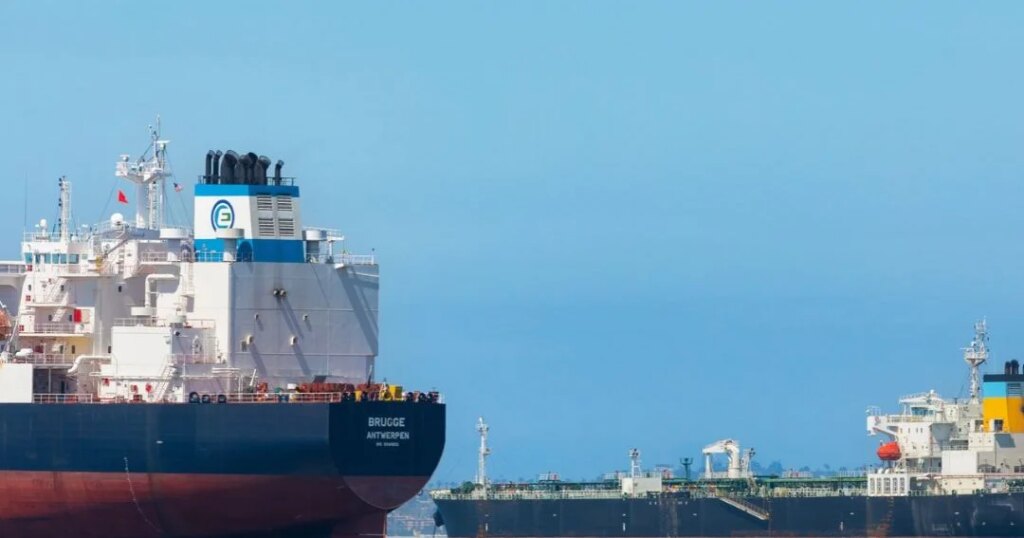
European benchmark gas futures rose the most in almost four years after QatarEnergy confirmed production suspension on Monday. Oil tankers had already largely disrupted their transit through the Strait of Hormuz, a crucial artery for global fuel shipments.
The situation could represent the biggest impact for gas markets since the Russian invasion of Ukraine four years ago disrupted global energy trade.
While Asian countries buy most of the LNG shipped from the Middle East, any disruption would increase competition for alternative supplies, driving up prices around the world, including Europe.
The closure of the plant “marks an abrupt acceleration of the energy implications of the situation,” said Simone Tagliapietra, an analyst at Bruegel.. «The threat to security of supply is immediate. “Its scope will depend on the duration of the closure, but now we are faced with a new scenario.”
Risks to maritime transport compound the disruption. The Strait of Hormuz is a key maritime route for energy transportthrough which approximately one fifth of global liquefied natural gas exports circulate.
The drastic slowdown of traffic through the waterway has created major bottlenecks that could make storage tanks QatarEnergy they fill up even more.
More than half of the world’s largest marine insurance clubs will stop providing war risk coverage to ships entering the Persian Gulf starting Thursday, Bloomberg reported. a measure that will likely deter charging in the region.
Additionally, on Saturday Israel ordered the temporary closure of some gas production facilities, including its largest gas field, Leviathan. This prompted Egypt, the main importer, to seek more LNG cargoes.
Gas trade disruptions in the Middle East could also eventually increase Turkey’s LNG spot demand, according to BloombergNEF, as the country imports pipeline fuel from Iran.
“The impact on prices due to the loss of LNG in the Middle East could be similar to that of 2022, after the Russian invasion of Ukraine“said Mike Fulwood, senior researcher at the Oxford Institute of Energy Studies. Such an increase “could have dire consequences for public budgets in Europe and Asia.”
The conflict continues to deepen, with explosions in Israel, Saudi Arabia, Qatar and the United Arab Emirates, following the interception of Iranian missiles launched in response to US-Israeli attacks. US President Donald Trump said the bombing campaign against Iran could last weeks.
Dutch gas futures expiring next month, the European reference for gas, rose 45% and stood at 46.19 euros per megawatt-hour at 2:17 p.m. in Amsterdam.