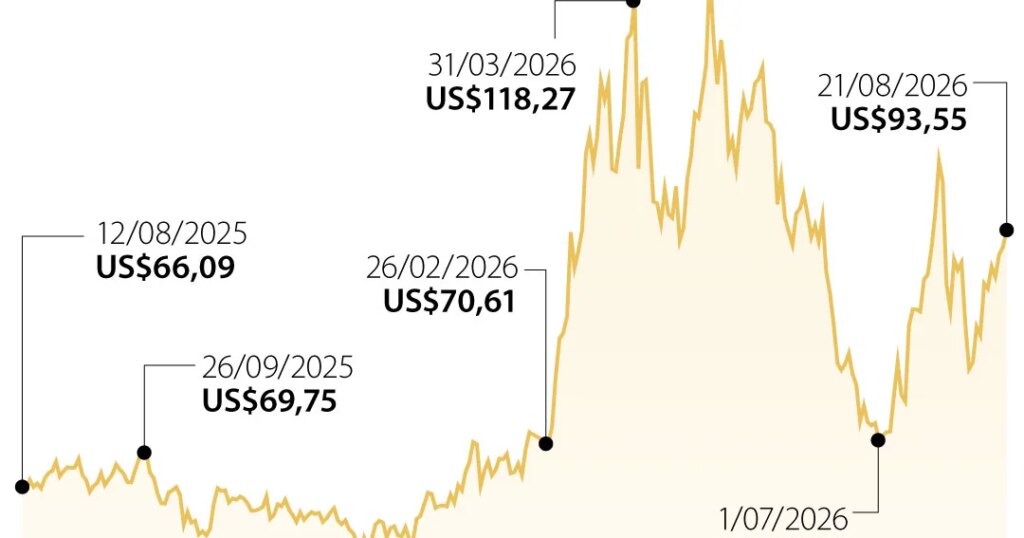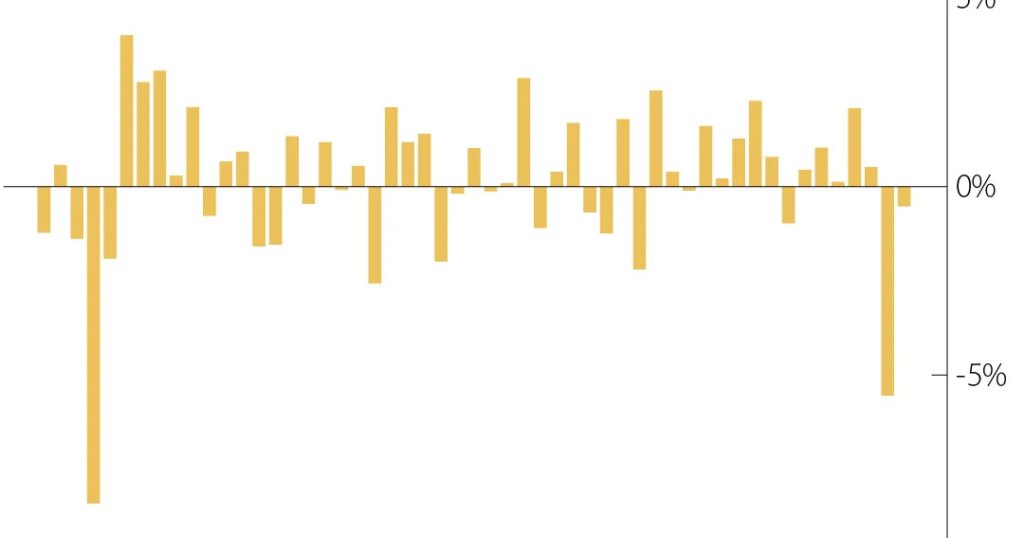
European stocks were headed for their second straight week of losses as the war in Iran stoked fears about higher inflation and slower growth, while concerns about private credit simmered beneath the surface.
The index Stoxx Europe 600 fell 0.3% at 10:38 in London, with the mining and consumer products sectors leading the declines. Energy stocks led the gains, with oil hovering around $100 a barrel, although crude oil prices retreated slightly from session highs.
Among individual stocks, shares of BE Semiconductor Industries NV soared as much as 14% after Reuters reported that the semiconductor equipment company had received takeover offers. On the other hand, Vivendi SE fell after missing revenue forecasts, and Berkeley Group Holdings Plc fell after the construction company warned that the conflict in the Middle East was seriously affecting investor confidence.
European stocks had outperformed their U.S. counterparts so far this year, buoyed by optimism over fiscal spending and low interest rates, but fears of possible stagflation stemming from the war with Iran weighed on them in March. European equity funds suffered their first capital outflow in six weeks, reaching $200 million in the week ending Wednesday, according to EPFR Global data cited by Bank of America Corp.
“With oil prices above $100, inflation expectations are likely too low; The longer this situation continues, the more concerned I am about the future of equity markets,” said Rhynhardt Roodt, head of equity investments at Ninety One Plc.
Financial markets showed signs of frustration at the persistence of the conflict with Iran. The loss of momentum in the price of gold weighed on the FTSE 100, with shares in precious metals producers Fresnillo and Endeavor Mining falling. In general terms, It was one of those days when almost all the leading companies in the British market recorded losses. In the first half hour of trading, only Shell and Schroders rose, says Dan Coatsworth, head of markets at AJ Bell.
Given the elevated stock market volatility and the more moderate rally in high-yield credit spreads in both Europe and the US, I believe we are already past a significant portion of the deleveraging in risk assets. Historically, this is the time when investors should start focusing on what could improve in the long term, says Mathias Heim, chief investment officer at BelleCapital.