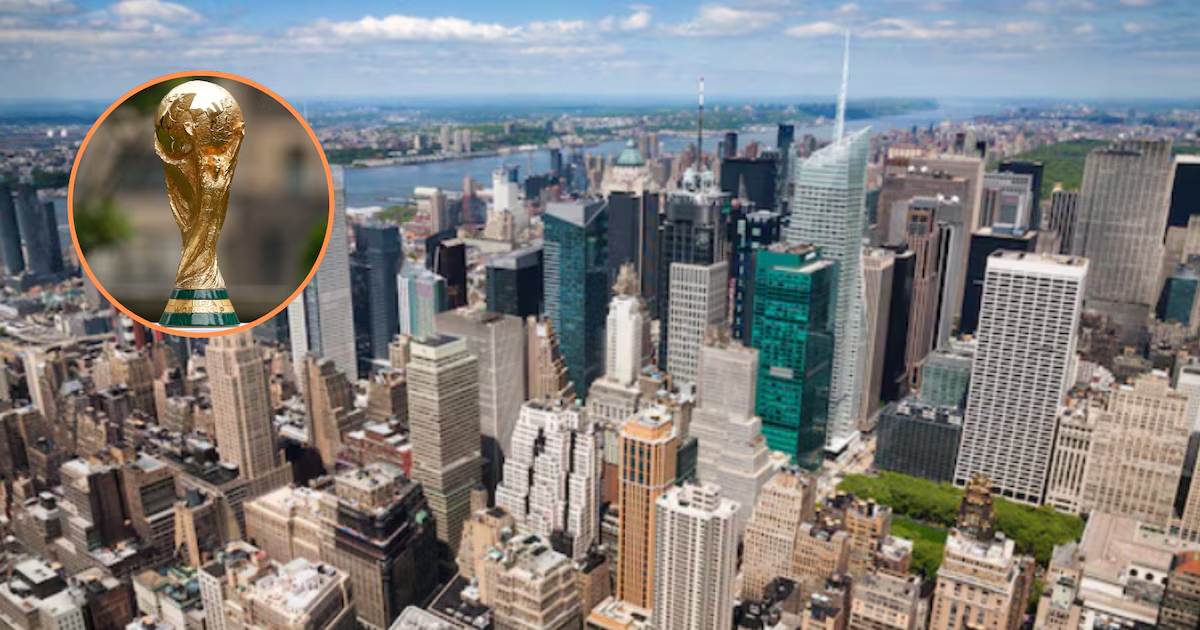
With less than three months until the start of Soccer World Cup 2026 in it MetLife Stadiumthe expectation of a economic impact for New York fades before him slow pace of hotel reservationswhich could undermine the initial estimate of USD 3 billion in benefits provided by the tournament organization.
Although the mayor’s administration Zohran Mamdani presented the event as unique opportunity to boost the local economy, the most recent indicators show that tourist demand for the dates of the World Cup is even 2% lower than the same days in 2025without relevant events, according to a survey of the local media THE CITY.
The calculation of the FIFA started from the arrival of 1.2 million visitors to the area of New York and New Jersey during the championship, with an expected expense of USD 1.7 billionthe creation of 26,000 jobs and the generation of USD 432 million in local and state tax revenues.
However, a recent budget report from the comptroller Mark Levine estimates that, even under the most optimistic scenarios, the extra tax flow would be only USD 55 millionbelow the USD 70 million that the municipality plans to invest in security reinforcements, emergency services and assistance to small businesses. These projections, compiled by THE CITYpresent a less favorable scenario for the local economy.
While the public sector defends the potential of the tournament, the analysis of the sports economists consulted by THE CITY questions the solidity of FIFA data and emphasizes that the experience of previous World Cups shows that most ticket sales limited to residents of the New York metropolitan areaexcept maybe for the final.
The increase in accommodation prices It could discourage visitors from other states and even other countries. According to Sarah Bratkovice president of policies of the main hotel chamber in the United States, the American Hotels & Lodging Association —which brings together the largest chains in the sector— “reservations have been less solid than expected.”
For example, the Midtown Hiltonwhich at the end of May offers rooms from US$379 the night, raises the rate to USD533 during the inauguration US$627 in the dates prior to the final in July.
Added to this scenario is the unprecedented cost pressure after the pandemic. According to the recent testimony of Vijay Dandapaniexecutive director of the Hotel Association of New York Cityand Bratko before two Municipal Council committees, operating expenses increased much faster that average room rates and eroded profit margins of hotels outside the luxury segment.
Establishments focused on travelers with high purchasing power they keep their numberswhile the rest of the sector faces increasing financial difficulties.
The employment landscape It is also uncertain. The contractual agreement with the city’s most important hotel union, which meant raising the annual salary of waitresses to USD 82,000 before overtime, expires on June 30 after a decade in force. The next negotiation anticipates demands for salary increases at a time of tension for profitability.
To explain the low level of reserves, Victor Mathesonexpert professor in mega sporting events of the College of the Holy Cross Universitypointed to THE CITY that he plans to attend several games outside of New York and that, if necessary, he will seek to stay away from the center of Kansas City for avoid fees of USD 500 per night.
Some specialists They attribute the low reserves to multiple external factorsamong them the current immigration policy: visa restrictions and travel bans from several countries, imposed by the administration of donald trumpthey could be limiting the arrival of foreign tourists. THE CITY ensures that local authorities avoid delving into this topic.
NYC Tourism + Conventionsthe official tourism promotion agency, recognizes that reserves are below last year’sbut he is confident that the trend be reversed after the April sales phase.
Its executive director, Julie Cokerhe stated to THE CITY that recent polls show a 42% of American travelers already a 49% of international visitors with specific plans to attend, although the majority have not yet confirmed their accommodation.
From the mayor’s office, the spokesperson Cassio Mendoza argued that the comptroller’s forecasts “do not fully reflect the scope that this World Cup will have for the city,” and that the estimated direct spending on USD 1.7 billion for the Cup will result in “hundreds of millions” allocated to public services for the inhabitants of New York. Mendoza added: “The real impact transcends economic amounts. It is an opportunity to show the city to the world and strengthen neighborhood cohesion.”
The anticipated economic benefit of the 2026 World Cup in New York faces disappointing hotel booking figures a few months before the event and the official projections, which calculated income per USD 3 billion and the arrival of more than a million visitors, are questioned by costs and limited tourist flowaccording to THE CITY.