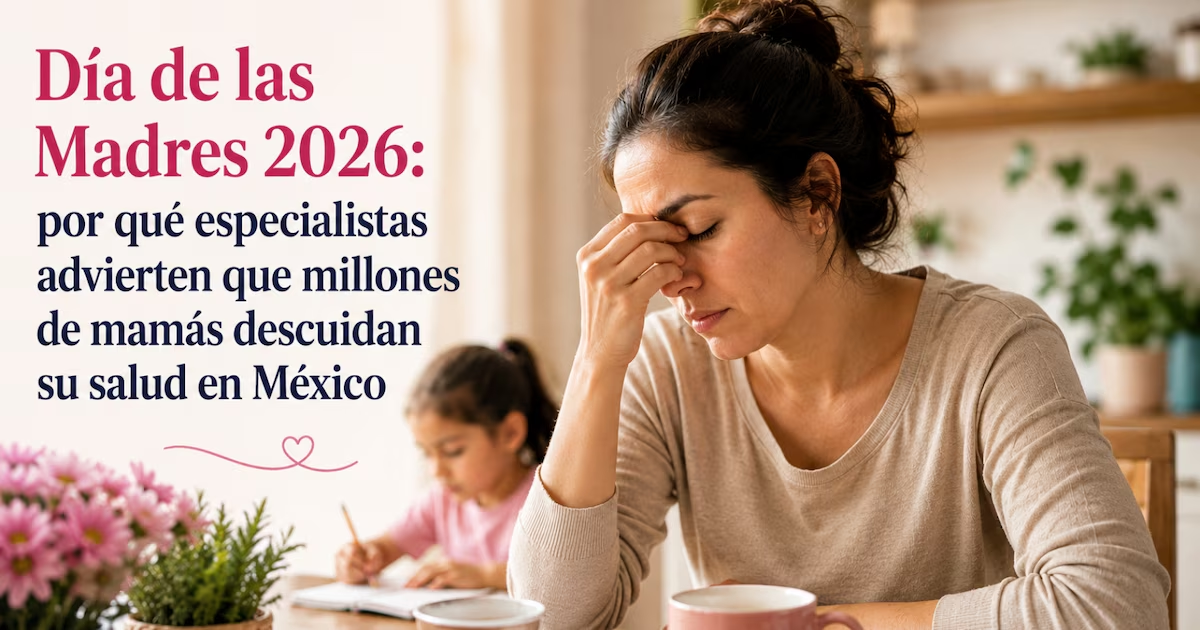
On the eve of Mother’s Day 2026health specialists called to make visible a problematic that affects millions of women in Mexico: neglect of your physical, mental and emotional well-being due to the burden of family and domestic responsibilities.
Although each May 10 is usually marked by celebrations, gifts and family gatherings, experts believe that the conversation should also focus on the health status of Mexican motherswho frequently place the needs of others above their own.
According to data from the National Women’s Institute, more than 70 percent of women in Mexico are mothers and 3 out of 10 are heads of family. This reality makes many of them the main emotional and operational breadwinners of their homes, in addition to being responsible for caring for children, the elderly, and household chores.
However, this daily burden has important consequences on your quality of life.
Hugo Palafox, Vice President of Science at Immunotec, explained that mothers often assume multiple roles within the home, a situation that can accelerate physical and emotional wear and tear.
“Mothers are usually the main caregivers not only of children, but also of older adults and the general functioning of the home. Their work goes far beyond what we see and this burden has a direct impact on the aging process, physical, mental and emotional health,” said the specialist.
Among the main effects associated with excess responsibilities are chronic stress, exhaustion, sleep disturbances, anxiety and neglect of preventive health.
Specialists warn that many women postpone medical consultations, routine check-ups or even adequate nutrition due to lack of time or because they prioritize the needs of their families before their own.
One of the main messages from experts is that mother’s care should not be reduced to a symbolic act for a single date, but rather become a permanent priority within the family environment.
For this reason, they recommend promoting periodic medical check-ups, hormonal monitoring and attention to mental health as part of a comprehensive well-being strategy.
Prevention, they say, can be key to promptly detecting chronic diseases, hormonal imbalances or emotional effects derived from high levels of stress.
In addition, they emphasize the importance of maintaining healthy habits related to food and rest.
Specialists also highlight that after the age of 30 the body begins to decrease the natural production of certain molecules essential for cellular protection and strengthening the immune system.
In this context, they consider that a diet rich in antioxidants, quality proteins and micronutrients can contribute to maintaining energy and general health.
Likewise, they point out that supplementation can function as complementary support for some people, always accompanied by professional guidance and healthy habits.
Another important point is rest. He constant stress and physical overload They can weaken the body’s defenses and affect both the emotional and physical health of mothers.
Specialists agree that self-care should not fall solely on mothers. Family co-responsibility is essential to reduce the domestic and emotional burden that millions of women face.
Redistributing household chores and allowing mom time to rest, go to the doctor, or engage in personal activities can have a positive impact on her overall well-being.
“Today more than ever it is important to stop romanticizing maternal sacrifice and start building family environments where care is reciprocal and for all members of the home,” concluded Hugo Palafox.
In this Mother’s Day 2026specialists insist that the best gift is not only in the celebrations, but in promoting a culture of permanent care towards those who have historically assumed the well-being of the entire family.