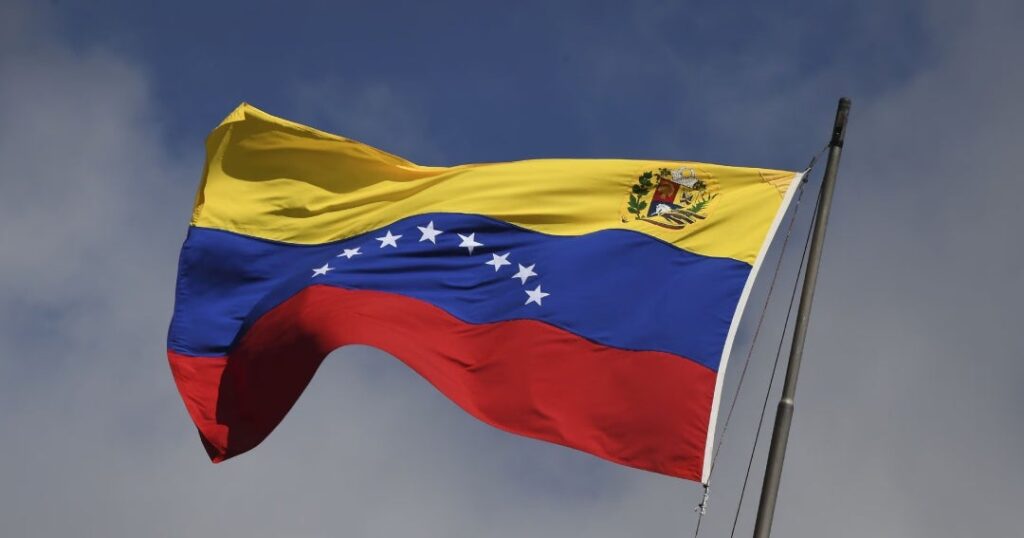
While the ruling party has tried to direct attention to some indices that speak of industrial growth, independent analyzes and measurements contrast with the figures disclosed by state entities and They put the magnifying glass on the cost of living for 2026.
The International Monetary Fund, IMF, for example, Inflation is expected to rise sharply to 682% in 2026. This high level of the Consumer Price Index will coexist with a contraction of the gross domestic product, GDP, of 2% in 2025.
This marked difference, according to independent economists, indicates a hypercentralized and asymmetric recovery. Revenues generated by oil and mining primarily benefit the elite. These revenues allow the regime to cover its operational and security costs. However, they do not translate into substantial improvement in the real economy of the common citizen.
The forecasts indicate thathe daily struggle for economic survival will become more acute due to the contraction of GDP and the persistence of high inflation. The systematic collapse of public services will continue.
This requires constant adaptation to infrastructure failures in the country. Access to foreign currency (de facto dollarization) will continue to be essential to preserve the value of savings and carry out critical transactions.
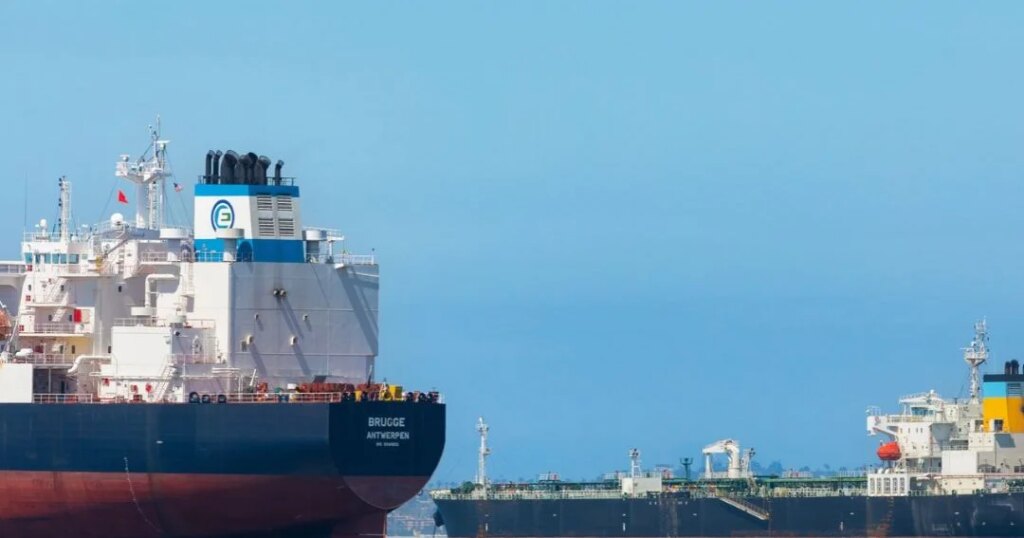
Although the base scenario is the most likely, the possibility of a worse scenario (military escalation) has a significant risk (20%-30%). If a miscalculation occurred in US naval operations, the situation would collapse rapidly.
In this case, A naval blockade would instantly cut off essential supplies, raising the humanitarian crisis to catastrophe level.. Hyperinflation would far exceed that projected 682%, and the bolivar would collapse completely.
The regime’s internal response to chaos and military mobilization would be repression to maintain order. The migratory displacement crisis would worsen exponentially.
On the contrary, the best scenario (negotiated transition), although low probability (5%-10%), would bring progressive economic stabilization. This would curb the hyperinflationary trend and mitigate the diaspora, offering the first sign of real hope.
The Venezuelan economy under the base scenario is like a car trying to go up a hill with the handbrake on. Although the engine (the oil sector) pushes and generates income, the constant pressure (the handbrake, or external coercion and internal illegitimacy) hprogress is slow, painful, and the majority of passengers (the common citizen) end up impoverished and exhausted, never reaching the peak of stability.