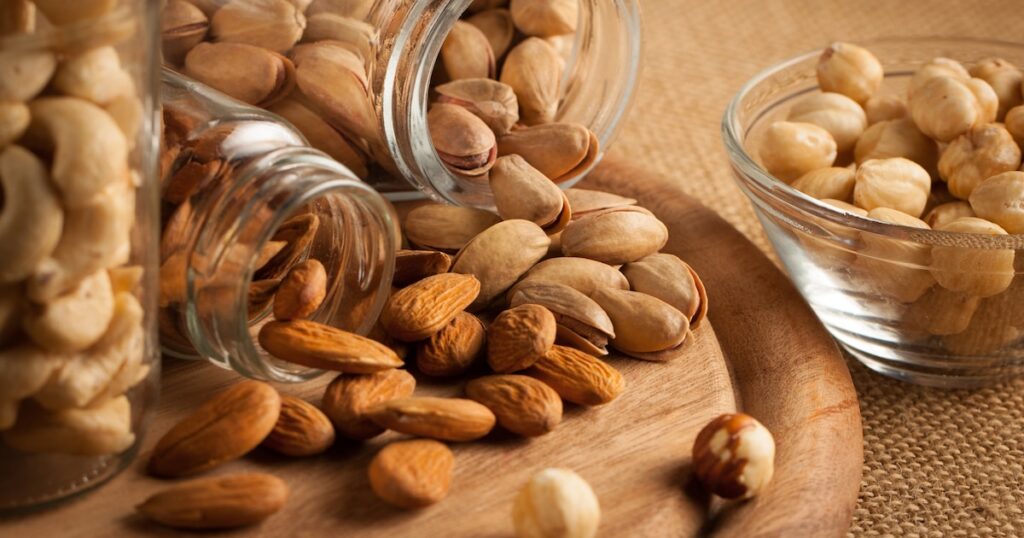
Among the wide range of nuts that we find in supermarkets, there are two that stand out for their popularity and flavor: almonds and the pistachios. Both stand out for their flavor and for being very rich in nutrients that ensure general well-being, especially cardiovascular health.
Between almonds and pistachios, there are those who doubt which one to choose based on their heart benefits. Although both nuts provide vitamins, minerals and healthy fats, there are nuances that can make one more suitable than the other depending on each person’s needs.
In a direct comparison, a serving of 28 grams of almonds stands out for its contribution of vitamin Emagnesium and calcium, while the same amount of pistachios provides a relevant source of B vitamins and copper. This nutritional composition makes both healthy options, but with differentiated profiles.
Eating pistachios has been linked to improved cardiovascular health, especially in regards to lowering blood pressure and cholesteroltwo key risk factors in the development of heart disease. This is how nutritionist Karina Tolentino explains it for VeryWell Health.
For their part, almonds, thanks to their high vitamin E content, can contribute to the protection against oxidative damage caused by free radicals, says the dietitian. Consequently, to the reduction of the risk of cardiovascular diseases.
In the area of glucose control, pistachios have additional advantages. Its high fiber and protein content, together with a low contribution of carbohydrates, favors the regulation of blood sugar levels. The flavonoids present in pistachios can block the absorption of carbohydrates, which helps maintain adequate blood glucose. Additionally, a review has concluded that consuming pistachios can reduce fasting glucose levels in people with type 2 diabetes.
In contrast, almonds have not shown the same effect on glycemic control. A study carried out in 2024, collected by Verywell Healthevaluated people who consumed 56 grams of almonds daily for 16 weeks and found no differences in blood glucose levels compared to those who did not include them in their diet.
When controlling weight, both calories and the amount of fat are factors to take into account, although not the only ones. Tolentino points out that pistachios contain slightly fewer calories and fat than almonds, while the latter provide a little more fiber and protein.
The higher fiber and protein content of almonds can promote a greater feeling of satietysince these nutrients slow down digestion and help you feel fuller for longer. However, both almonds and pistachios can be part of a balanced diet for weight control, as long as they are consumed in moderate quantities. An excess in the ration can increase the caloric and fat intake, counteracting the possible benefits.