As Americans heeded a slogan and actually ate more chicken during the beef rise, poultry producers made big profits. Now, falling chicken prices could be ending that upward trend.
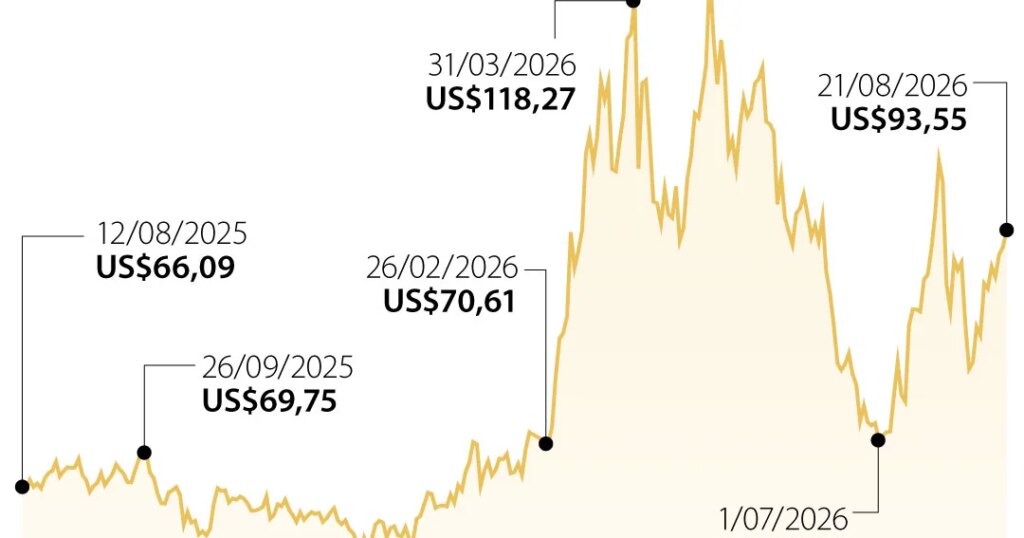
U.S. chicken spot prices have fallen 18% from their peak in the summer barbecue season, while key production indicators suggest that supply is finally catching up to growing consumer demand.
Some of the world’s largest meat producers, such as JBS NV, Tyson Foods Inc. and Cargill Inc., have leaned on profits from the poultry industry. to cushion losses in its beef businesses, which have been hit by the worst U.S. cattle shortage in decades. A change in the chicken situation could leave companies more exposed to the prolonged decline in beef production, which is not expected to improve significantly before 2028.
The United States has seen an increase in the number of chicks laid, an improvement in egg fertility rates and a seasonally high number of poultry slaughters, pointing to an increase in meat supply. The United States Department of Agriculture has raised its 2025 broiler production estimate for four consecutive months.
“We see growing signs that the cycle could be heading downwards, as supply bottlenecks appear to be increasingly resolved,” Banco Bradesco BBI analysts Henrique Brustolin and Pedro Fontana said in a note to clients.
Shares of meat suppliers have also been under pressure. JBS, the world’s largest meat producer, It has lost 18% in the last month and has reached its lowest level since July 23. Pilgrim’s Pride Corp., controlled by JBS, Tyson and Marfrig Global Foods SA have also seen declines.
Barclays on Thursday cut earnings estimates for JBS, Pilgrim’s and Tyson Foods, citing possible pressure stemming from an earlier-than-expected seasonal decline in chicken prices.
To limit the disadvantages, chicken producers continue to benefit from low feed costs and resilient demand, as consumers look for cheaper alternatives to expensive beef.