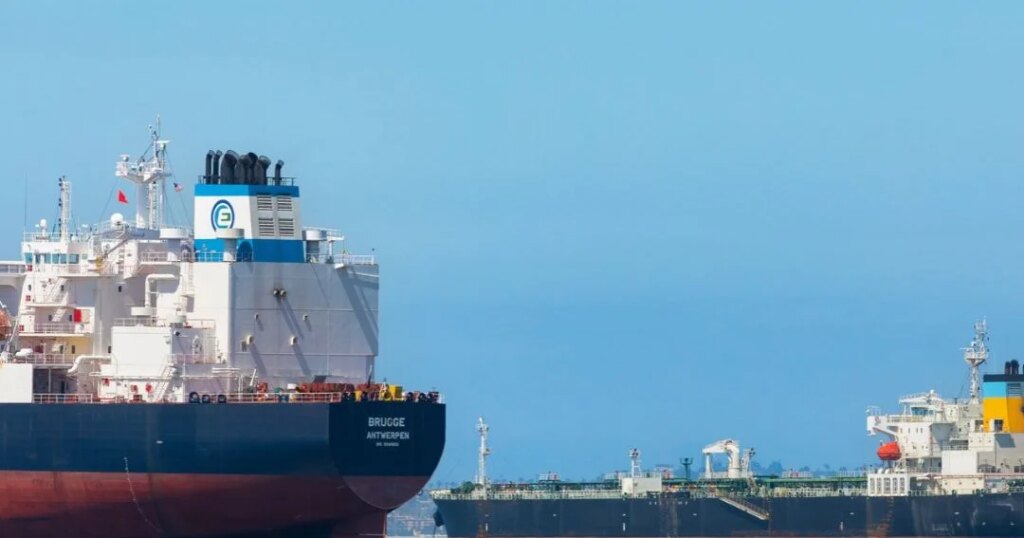
US exports of oil Crude oil to Asia is poised to hit multi-year lows after the war with Iran disrupted global shipping and raised the cost of chartering a tanker for the Pacific voyage to a record nearly $80 million.
According to traders who requested anonymity because they were not authorized to make public statements, orders for US crude oil by Asian refiners for delivery in November fell approximately 50% this month, standing between 24 and 26 million barrels. If this rate of orders is maintained until the end of the month, it would mark the lowest level in seven years, according to ship tracking data from Kpler and Vortexa.
According to figures from the Baltic Exchange, the rate for oil tankers on the route connecting the Gulf coast of Mexico with China has more than tripled since the conflict between the United States and Iran broke out in late February, reaching almost $60 million on Thursday. At the beginning of the month, it reached US$79.6 million, an unprecedented increase in a market where rates averaged less than US$8 million in the five years before the conflict.
Currently, chartering the largest oil tankers for a 30-day voyage is half the cost of building a new ship. These exorbitant fees do not include the cost of the oil itself, which is trading at around $100 per barrel.
“The main issue in the market right now is freight rates,” he said. Randy Hawkinshead of oil trading Valero Energy Inc., during a conference call with analysts.
According to Hawkins, tanker rates are so inflated that refiners are effectively spending between $30 and $35 to transport each barrel of crude from the Gulf Coast to Asia, up to seven times what they spent last year.
To be sure, the end of the November trade cycle is not a hard deadline, leaving some room for traders to acquire last-minute cargoes. At least one market participant, who preferred to remain anonymous, said U.S. shipments to Asia for November could rebound to 40 million barrels in post-cycle trading.
However, Vortexa is skeptical that such a change is imminent.
“We currently see no signs of a near-term rebound that will significantly lift those volumes,” he said. Rohit Rathodsenior analyst Vortexa.
The drop in Asian demand appears to be having an impact on US crude oil prices.
According to Link Data ServicesPermian Basin oil destined for export was trading Wednesday at 25 cents above the benchmark futures contract at the Magellan East Houston hub, down from more than $3 six weeks earlier.
Medium-acid, export-grade Mars crude, which is extracted from deepwater wells in the Gulf of Mexico and is similar to Middle East crude, has seen its premium to futures fall from $17.50 in late March to $6.
Hawkinsof Valerostated that one of the factors hindering the global availability of tankers has been the greater use of smaller vessels to collect crude oil in the Persian Gulf, since these are less likely to be hit by attacks. Iranians in the Strait of Hormuz. Once they pass through the strait, their cargoes are transferred to larger ships waiting in the Gulf of Oman.
“The inefficient process of transferring crude oil between ships that is taking place in the Gulf of Oman is paralyzing global shipping and forcing the use of more tankers to transport the same amount of oil,” he declared. Hawkins. He added that insurance premiums and high fuel prices are also increasing freight costs.
“The main factor remains the high cost of transportation, which continues to limit arbitrage opportunities on long-distance routes,” he stated. Rathodof Vortexa. “The incentive for Asian buyers to source from the US Gulf Coast has diminished.”