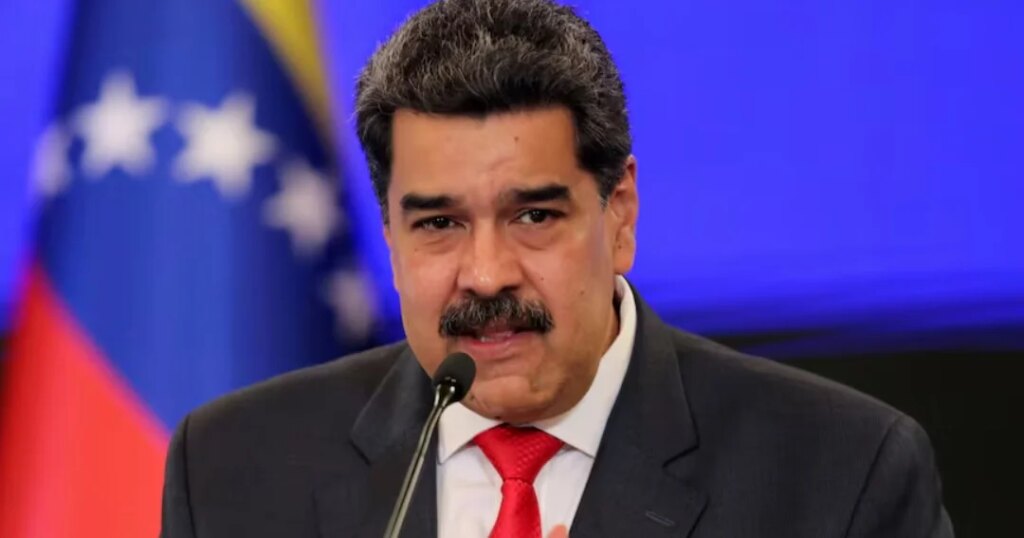
Since President Nicolás Maduro was captured by US forces and removed from office on January 3, Venezuela has entered in a phase of rapid change and uncertaintystrongly influenced by Washington. Relations between the United States and Venezuela have gone from isolation to direct dialogue: the Trump administration has reestablished diplomatic ties and collaborates with interim president Delcy Rodríguez. However, this relationship is subject to numerous conditions. The United States uses the lifting of sanctions, access to global financing, and control of oil revenues as tools to guide foreign policy and define the future.
Meanwhile, for ordinary Venezuelans, The impact of the regime change has been limited. The majority continue to face high prices, low incomes and deteriorating living conditions.
How have relations between the United States and Venezuela changed since the overthrow of Maduro?
Relations between both countries have changed drastically, going from being broken to being renewed. For years, Washington refused to recognize Maduro as president after his controversial re-election in 2018, instead supporting opposition leader Juan Guaidó. The United States cut diplomatic relations, including closing its embassy in Caracas in 2019.
That position has changed radically. The Trump administration has restored diplomatic relations, reopened its embassy and engaged in direct talks with the new Venezuelan government led by Rodríguez. Senior US officials visit Caracas again, and both sides openly coordinate economic recovery and political transition, something unthinkable just a few months ago.
President Donald Trump said Rodriguez is “doing a great job” and “collaborating very well with U.S. representatives” as cooperation deepens. He also issued a threat. “If he doesn’t do the right thing, he’s going to pay a very high price, probably higher than Maduro’s,” Trump declared in January.
How does the United States exercise control over the Rodríguez government?
The United States exercises control through a system of conditional recognition and economic pressure. The sanctions policy is the most obvious tool of said control. Washington has begun to relax some restrictions, such as allowing financial institutions and other entities to do business with Venezuela’s central bank and lifting sanctions on certain state entities, such as the oil company Petróleos de Venezuela. However, These authorizations are temporary and strictly regulated through licenses from the United States Department of the Treasury. This means that the Rodríguez government’s ability to access international banking services, use state assets outside Venezuela, attract investment or expand oil production remains dependent on US authorization.
More broadly, analysts and opposition figures say the reforms and even cabinet changes are being carried out under pressure from the United States. lhe opposition leader, María Corina Machado, maintains that the authorities are “following the instructions of the United States.” By selectively loosening or tightening restrictions and tying economic aid to policy measures such as changes in leadership and legal reforms aimed at encouraging investment, Washington is, in effect, shaping policy.
US officials have also made clear that they intend to influence the political outcome. The United States affirms that the transition should culminate with elections under new electoral authoritiesindicating that the timing and conditions for the vote will be established in coordination with Washington.
Is the United States still pursuing alleged drug traffickers off the coast of Venezuela?
The United States continues to actively attack suspected drug traffickers in the Caribbean Sea, including off the coast of Venezuela, and in the eastern Pacific Ocean. The military campaign has continued unabated since Maduro’s capture. The most recent attacks were carried out between April 25 and 26 in the eastern Pacific, killing five people. The last attack in the Caribbean took place on April 20, leaving three dead.
Since the campaign began in September 2025, US forces have carried out dozens of attacks, and the death toll now stands at more than 180 people. The operations have continued even as the United States focuses its military resources on other fronts.
What is happening with Venezuela’s oil industry?
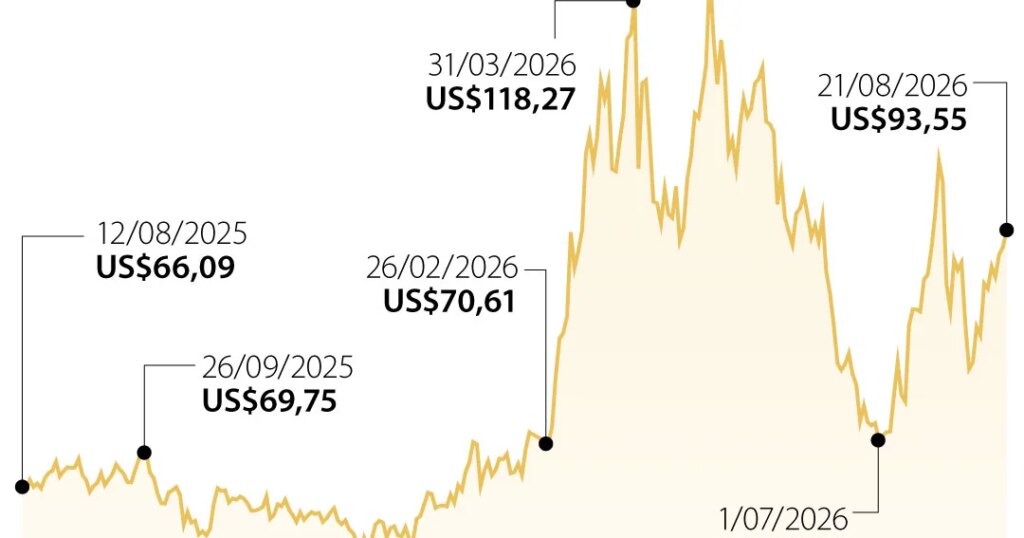
At the end of Maduro’s presidency, Venezuelan oil production had decreased 65% compared to 2013, his first year in office. The country, and the Trump administration, are trying to reverse that decline. The war with Iran has caused an unprecedented global supply crisis, and a significant increase in Venezuelan oil on the market would be very timely. Caracas and Washington are actively participating in a process to release the country’s wealth under the White House’s three-phase plan: stabilization, recovery and transition.
Rodríguez has managed to enact new hydrocarbon and mining laws that favor investors and eliminate decades of strict state controls. The US Treasury Department is easing sanctions against PDVSA and expanding licenses for more US and international companies to do business with the state company.
The big oil companies that did not leave the country during its worst years of decline andAmong them the American Chevron, the Italian Eni SpA and the Spanish Repsol have expanded their contracts and their presence. Senior US officials, such as Energy Secretary Chris Wright and Interior Secretary Doug Burgum, as well as dozens of companies, have rushed to Caracas to analyze investment opportunities in oil and gas and evaluate the conditions under the new legal framework.
Washington has closely monitored the process, while controlling the country’s oil revenues, which it holds in U.S. Treasury accounts. In mid-April, it had allowed the injection of $3 billion into the economy and has promised that independent audits carried out by the professional services firm will be published.
Oil and gas production has not yet increased, and oil contracts signed before Trump’s plan came into effect have not been adapted to the new legal framework. Experts predict that international investment will take time to materialize. However, Venezuelan oil exports hit their highest level in six years following India’s resumption of imports, and the industry is set to increase production by nearly a million barrels of crude oil per day over the next decade, according to Rystad Energy.
Is Venezuela reintegrating into the global financial system?
Yes. On April 14, the United States lifted the seven-year sanction imposed on the central bank and other state banking institutions, thus reincorporating Venezuela into the global financial system.. Venezuelan authorities can now transact and regain control of assets to which they previously did not have access, such as the approximately 30 tons of Venezuelan gold deposited in the Bank of England. The member countries of the International Monetary Fund supported this change and the reintegration of Venezuela into the institution. Its director, Kristalina Georgieva, held a telephone conversation with Caracas to analyze the next steps in international cooperation.
These measures have revived long-dormant hopes for a debt restructuring. Hedge funds are visiting Caracas and creditors are already talking to US officials about their possible role in the country’s economic recovery. Venezuelan bonds have posted some of the best gains in emerging markets this year.
What has changed for the people of Venezuela?
For ordinary Venezuelans, little has changed. Most households do not report improvement in their economic situation and many have difficulties meeting their basic needs. Daily life still revolves around stretching scarce incomes to cover basic needs, and public services are often unreliable. For many, the situation has even gotten worse: prices continue to rise rapidly and the bolivar continues to devalue. While Venezuela more than doubled the monthly minimum wage in April, raising it to US$240, wages remain extremely low compared to the country’s rising cost of living.
While there is some cautious optimism about a future recovery, it has yet to translate into tangible relief. Frustration is growing, especially among workers and retirees, and protests over wages and living conditions have become more frequent. For now, Despite political changes and promises of transformation, the reality for most Venezuelans remains largely the same: high prices, stagnant incomes and no significant improvement in their daily lives.