Transportation Secretary Sean Duffy said that following the collapse of Spirit Aviation Holdings Inc., does not believe that the US government should provide financial aid to other low-cost airlines at the moment.
“At this point, I don’t think it’s necessary,” he said during a news conference Saturday at Newark Liberty International Airport. “They have access to cash.”
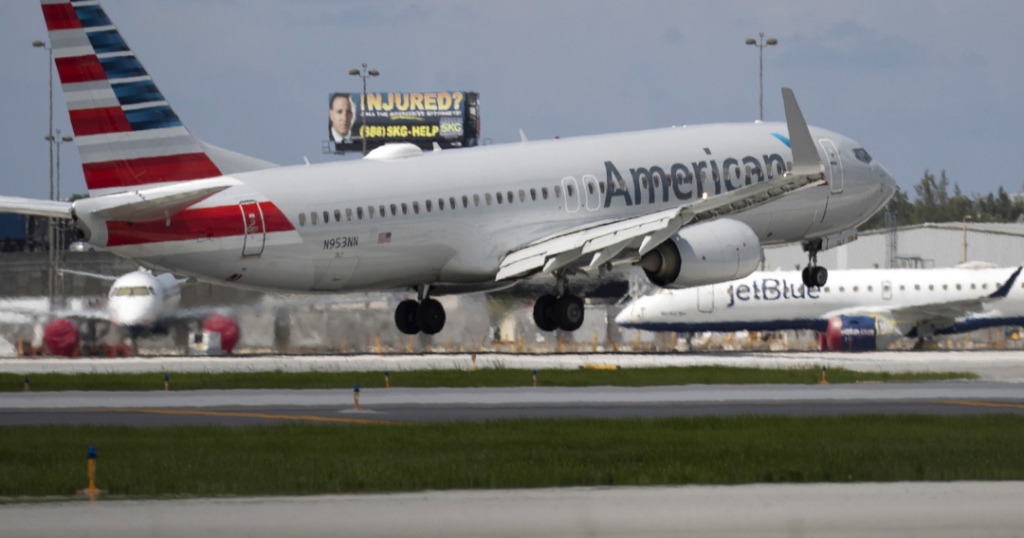
Duffy spoke hours after Spirit suspended operations, leaving passengers and employees stranded across the United States. Hours earlier, it announced measures to help those passengers, saying several airlines, including United Airlines Holdings Inc., Delta Air Lines Inc., Southwest Airlines Co., American Airlines Group Inc. and JetBlue Airways Corp., agreed to cap prices or reduce fares for customers affected by the shutdown.
The Low-Cost Airlines Association, which represents companies such as Frontier Group Holdings Inc. and Allegiant Travel Co., has asked the government for $2.5 billion to help its members.
Spirit closed its doors after negotiations between the airline and the Trump administration failed in their attempt to reach a rescue deal. At one point, management considered a plan to provide $500 million in financing in exchange for options to acquire up to 90% of the company once it emerged from bankruptcy.
Negotiations collapsed after major creditors balked at some of the terms of the deal. They offered a counterproposal, according to a person familiar with the matter who asked to remain anonymous because the talks were not public. But, in the end, it got nowhere.
“Ultimately, it was a problem with creditors,” Duffy said.
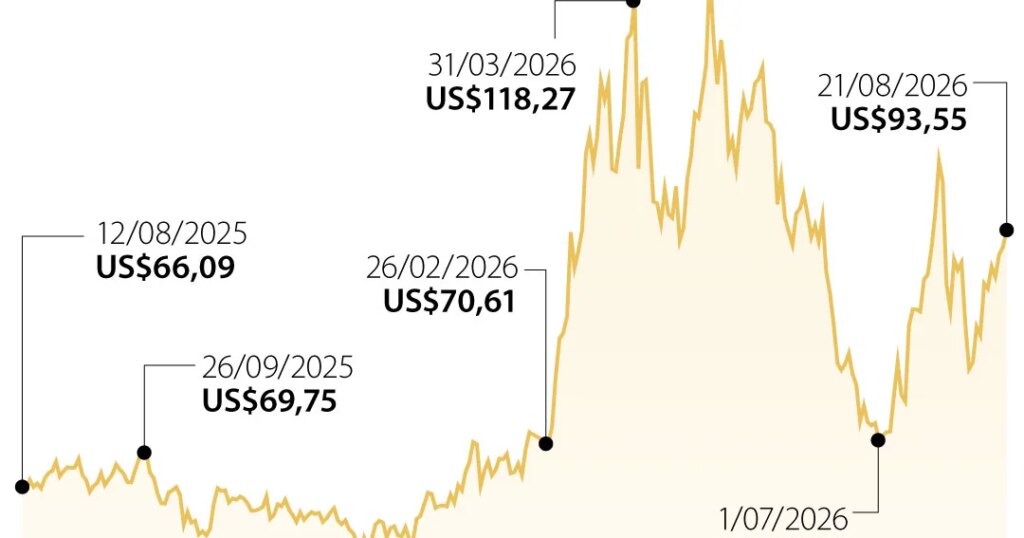
Spirit has been struggling for years and filed for Chapter 11 bankruptcy in August for the second time in less than a year. The airline was expected to emerge from bankruptcy over the summer, but rising fuel prices stemming from the conflict in the Middle East were the final blow. Rising fuel prices have also hurt other airlines, especially low-cost airlines that compete with Spirit.