The Israeli Defense Minister, Israel Katzwarned this Thursday that Israel could be forced to act again “soon” against Iran for “ensure achievement of objectives” reached by the joint offensive launched together with the United States since the end of February.
The warning, issued during a military ceremony in Jerusalem, came in one of the most delicate moments of the negotiations between Washington and Tehranwhich accumulate weeks of blocked progress and missed deadlines.
For his part, a senior official of the Iranian Revolutionary Guard He indicated that any new US attack on Iran, even a limited one, would unleash “long and painful blows” against US military positions in the region. The commander of the Aerospace Force, Majid Mousaviwas more explicit according to Iranian media: “We have seen what happened to their regional bases; the same will happen to your warships”.
Meanwhile, the Secretary General of the United Nations, Antonio Guterressaid that the blockade of the Strait of Hormuz is “strangling the world economy” and that its consequences could push tens of millions of people into poverty and lead the world towards a recession. The statement, made before the press in New York, came two months after the start of the war between the United States and Israel against Iran and in the midst of a diplomatic stalemate.
Below is the minute-by-minute coverage:
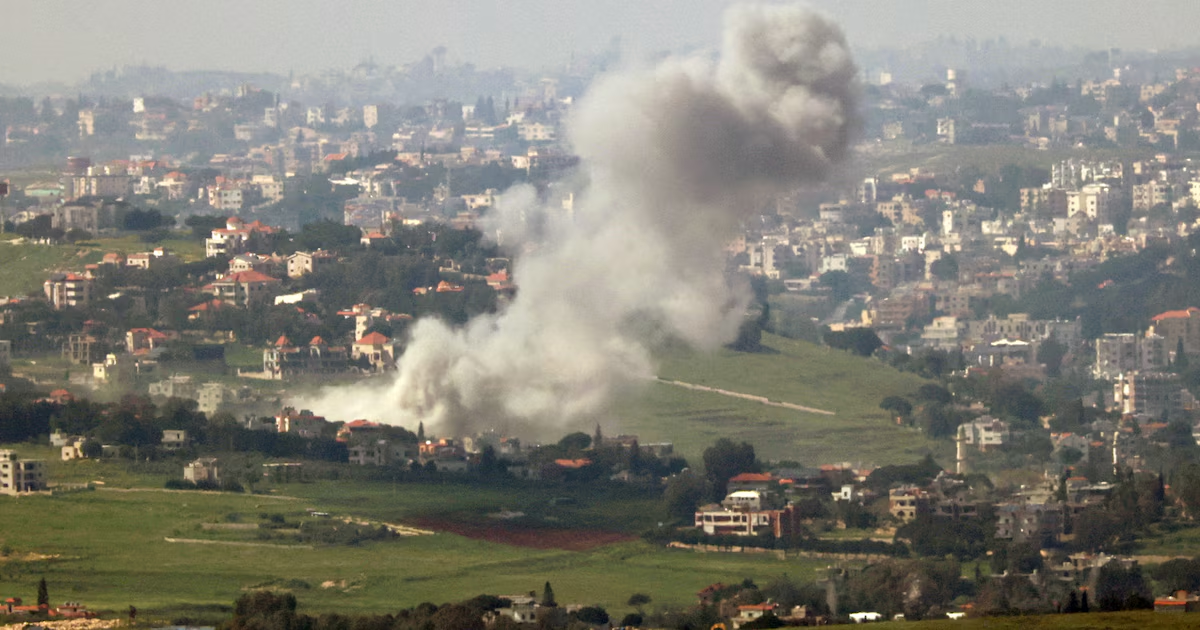
Israel destroyed more than 40 Hezbollah sites in southern Lebanon in the last 24 hours
The Israel Defense Forces (FDI) stated having attacked and destroyed more than 40 Hezbollah positions in southern Lebanon in the last 24 hours.
According to the army, these centers include command posts from where members of the terrorist group operated and from where attacks were launched against troops and against Israeli territory.
Oil continues to rise driven by uncertainty in the Middle East and tensions in key supply routes
The price of the main crude oil references registered moderate increases during the first hours of this Friday, in a context of volatility and international concern about the closure of the Strait of Hormuz

In the midst of persistent uncertainty over the war in Middle East and the blocking of Strait of Hormuza key route for the global transit of hydrocarbons, around 07:15 GMT, the barrel of oil Brent of the North Sea for delivery in July gained 1.3% to reach $111.85, while the West Texas Intermediate (WTI) for delivery in June it advanced a 0.8% and was located in $105.90.
The crisis in the oil markets will worsen before disappearing
As stocks dwindle, it is inevitable that prices will continue to rise
Follow on
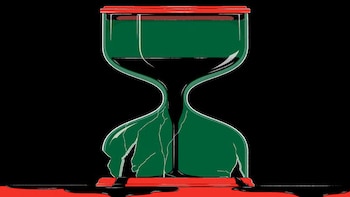
What was once unthinkable now seems endless.. Most energy traders used to assume that, even under attack, Iran would not close the Strait of Hormuz, the narrow passage through which nearly a fifth of the world’s oil normally flows. Doing so would antagonize its Gulf neighbors, starve its customers in Asia of fuel and cut off its own supply line. Even if Iran attempted a blockade, traders assumed the United States would quickly stop it. However, two months after USA and Israel began bombing Iran, and Iran began attacking merchant ships in retaliation, traffic in Hormuz remains practically non-existent. Diplomatic efforts to reactivate it are intermittent and inconclusive. While a negotiated solution is always possible, it is also conceivable that the strait will remain closed indefinitely.
Trump administration faces legal deadline for war with Iran with no end in sight
The hostilities, which began on February 28, are under the War Powers Resolution of 1973, which limits military operations without authorization from the US Congress to 60 days. The deadline is this Friday, although the White House is evaluating alternatives to avoid requesting formal authorization or withdrawing troops.
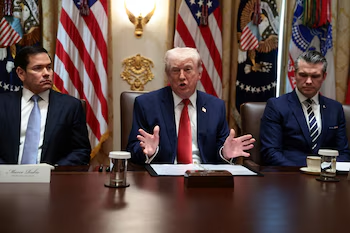
The president of the United States, donald trumpfaces this Friday the expiration of the legal period of 60 days to continue the war with Iran without congressional authorization, in a context of military stalemate, a fragile ceasefire and a growing internal political dispute over war powers.