European stocks fell on Monday as hopes for peace in the Middle East faded following escalating tensions.after Washington seized control of an Iranian cargo ship trying to circumvent the blockade and Tehran vowed to retaliate.
Investors are increasingly nervous as the US-Iran ceasefire, which expires on Tuesday, appears fragile.
Iran rejected new peace talks with the US just hours after President Donald Trump announced that he would send emissaries to Pakistan, while He threatened new attacks unless Tehran accepted his conditions.
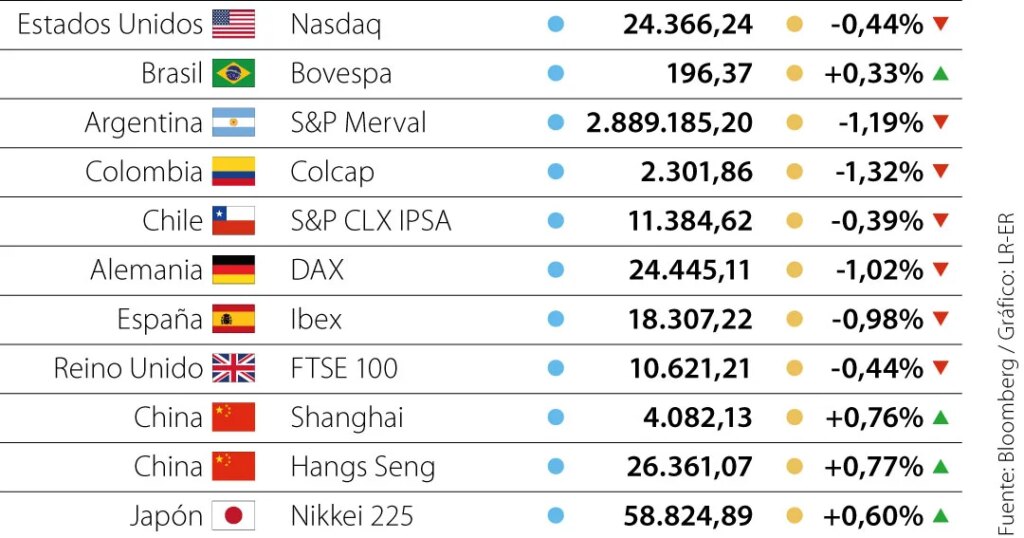
The pan-European Stoxx 600 index fell 0.8% to 621.52 points. Major regional markets also fell, with the French CAC and the German DAX down 0.9% and 1%, respectively.
The uncertainty marks a radical change from the optimism of Friday, when the Stoxx 600 rose more than 1% and secured its fourth consecutive week of gains, after Iran will declare the Strait of Hormuz open.
Energy sector values rose 1.9% as crude oil prices soaredwhile those of public services and telecommunications advanced 0.7% and 0.2%, respectively.
The travel and leisure sector led the declines, with a decrease of 2%. Shares of banks and the automobile sector fell 1.8% each.
Among other notable companies, cash logistics company Loomis fell the most on the European benchmark after Goldman Sachs downgraded the stock from “buy” to “neutral.” The setback in the Middle East conflict comes despite timid signs of normalization in the Strait of Hormuz.
Although Iran has reimposed the closure of this crucial waterway, Kpler data revealed that more than 20 ships carrying oil, metals, gas and fertilizers passed through it on Saturday, the busiest day since March 1.
High oil prices continue to weigh heavily on energy-dependent European economies, keeping investors cautious.
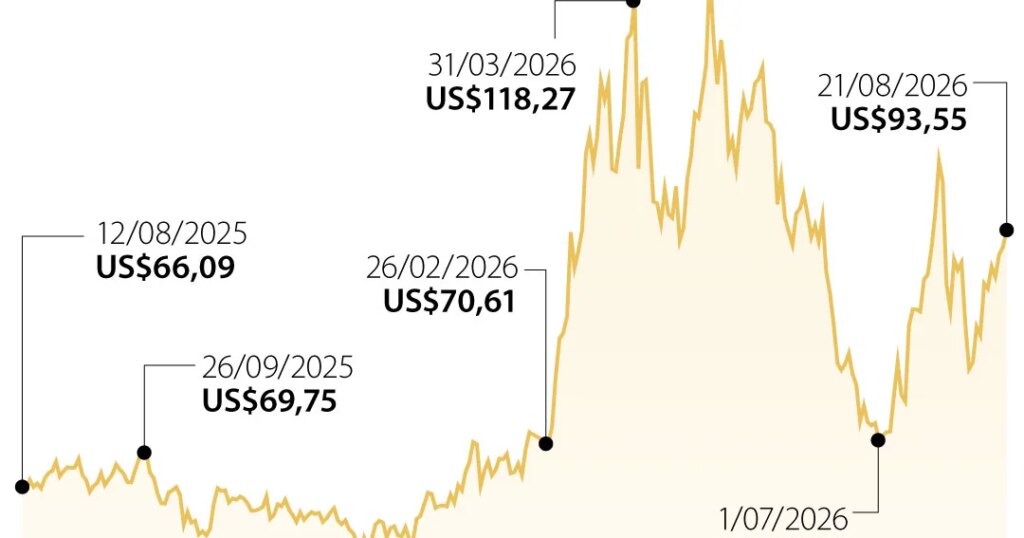
The strait is a passageway for a fifth of the world’s energy shipments. Brent crude oil futures rose 5.3% to $95.19 a barrel after falling 9% on Friday.