Crude oil prices fell nearly 5% on Wednesday, after learning that the United States sent Iran a 15-point proposal aimed at ending the war, raising speculation about progress toward a ceasefire, even as Israel and Iran continued to exchange attacks.
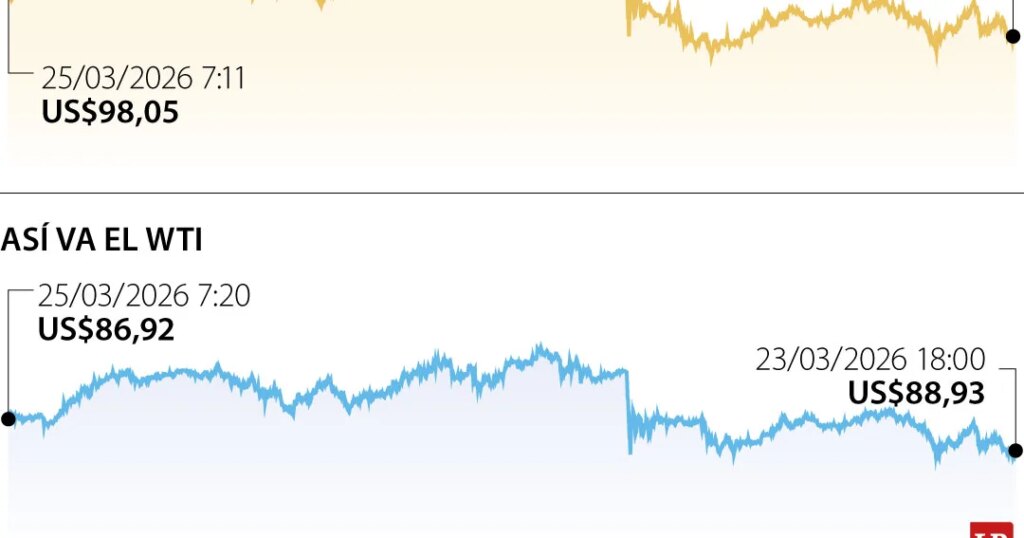
At 10:22 GMT, Brent LCOc1 futures were down US$5.66, (5.42%) reaching US$98.83 a barrel, after having fallen to US$97.57. The West Texas Intermediate futures in the United States (WTI) CLc1 lost US$4.82, (5.22%) reaching US$87.53, after hitting a minimum of US$86.72.
Both benchmark indices soared almost 5% the day beforebefore paring gains in a volatile session after the close.
Although prices were declining on the prospect of a ceasefire, PVM Oil Associates analyst Tamas Varga noted that, at the same time, there are reports of US soldiers being deployed to the Middle East.
US President Donald Trump said on Tuesday that his country is making progress in negotiations to end the war, while a source confirmed that Washington sent the 15-point proposal to Iran.. However, some analysts were skeptical about the progress of these talks and expected markets to remain volatile.
If Iran remains a threat to the Strait of Hormuz, the world could face years of crude oil at $100-$150 a barrel, Larry Fink, director of Blackrock, told the BBC.the largest asset manager in the world. “We will have a global recession,” Fink said when asked if oil would stay at $150.
Priyanka Sachdeva, senior markets analyst at Phillip Nova, said developments in the Middle East will continue to be the “main price driver,” keeping oil prices fluctuating in a wide range in the near term.
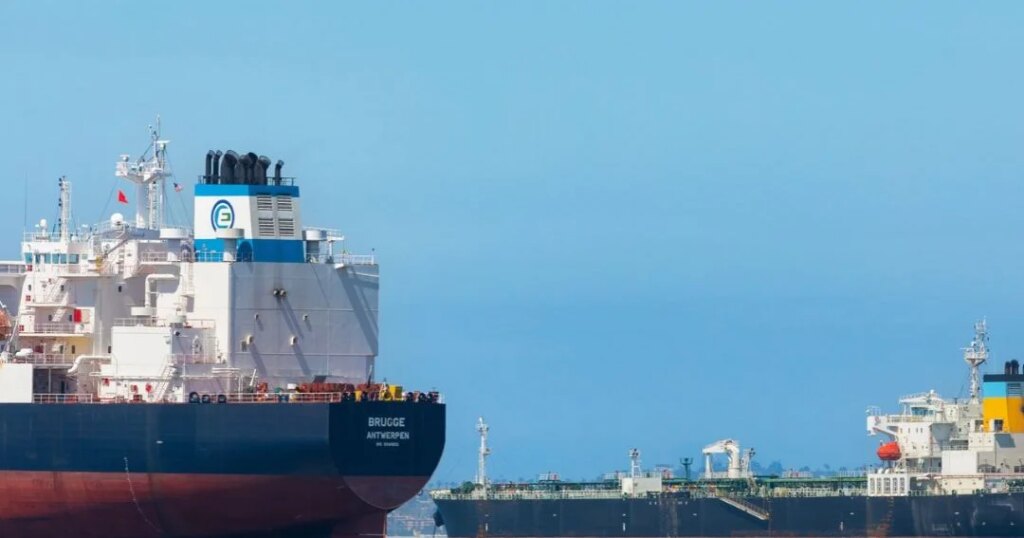
The war has virtually paralyzed shipments of oil and liquefied natural gas through the strait, through which nearly a fifth of the world’s crude and gas supply typically passes. The International Energy Agency has called it the largest oil supply disruption in history.